
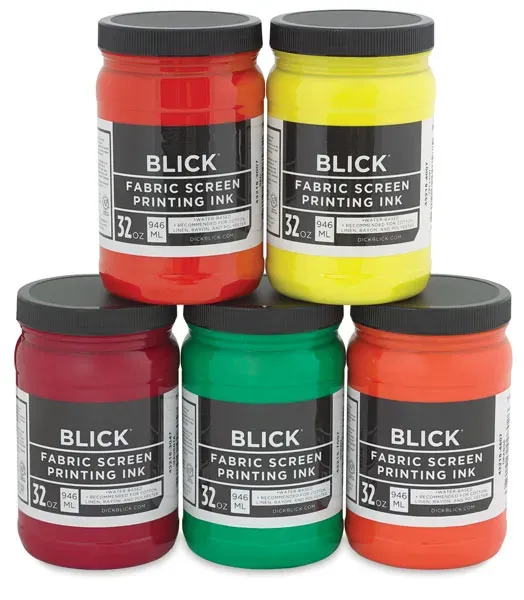
Screen printing ink defines the look, hand feel, and durability of garments from the first impression of color. Choosing the right ink affects color brightness, wash fastness, production efficiency, and overall workflow efficiency in your shop. In this practical guide, we cover plastisol ink, pigment ink, and water-based screen printing ink, helping you choose by fabric, design, and performance. You’ll also explore eco-friendly options and a practical decision framework you can apply to your next run, streamlining workflow. Whether you work with cotton, blends, or synthetics, the ink you pick shapes opacity, hand feel, and how long the print lasts.
Textile printing inks, the colorants used in squeegee-driven processes, share the same goals of brightness, durability, and hand feel as their screen-based counterparts. From pigment-based solutions to polymer pastes that sit on the surface, these colorants must balance opacity, flexibility, cure conditions, and fabric compatibility. Waterborne systems and plastisol-like formats each deliver a different look and feel, influencing how designs read on cotton, blends, or synthetics. LSI principles encourage mentioning underbases, soft hand, colorfastness, and eco-conscious choices alongside traditional performance metrics. By framing the discussion around substrate, design intent, and production constraints, you can translate the guide’s recommendations into a practical printing workflow.
Plastisol Ink: Bold Opacity on Dark Fabrics and the Trade-offs
Plastisol ink is the workhorse of many screen printing shops and a cornerstone of the screen printing ink family. It sits on top of the fabric, delivering bright, opaque colors that pop on dark garments. For cotton, blends, and many synthetics, plastisol provides reliable coverage with relatively straightforward color matching and broad shelf life. If your goal is maximum vibrancy on challenging bases, plastisol ink often delivers the quickest path to solid, high-contrast results.
Curing plastisol typically requires heat to a surface temperature around 320–330°F (160–166°C) for a short dwell time, ensuring the binder encapsulates the pigment and resists washing. The advantages include excellent opacity, long durability, and predictable processing. Drawbacks can include a heavier hand feel, potential odor concerns in some formulations, and a reliance on proper curing to prevent issues like adhesion failures or ink cracking over time.
Water-based Screen Printing Ink: Soft Hand and Breathable Comfort
Water-based screen printing ink offers a markedly softer hand and a more breathable feel, making it a preferred choice for comfort-first garments. This ink type excels at smooth fills and subtle gradients on light to medium fabrics, aligning with an eco-friendly ethos that many shops emphasize today. When the design calls for a natural drape and a nearly seamless surface, water-based screen printing ink can deliver remarkable visual quality without the heaviness of plastisol.
Opacity on darker fabrics can be a challenge with water-based inks, often requiring an underbase or multi-coat approaches. Curing remains essential, but dwell times and temperatures may differ from plastisol depending on resin systems and fabric thickness. Practical drawbacks include longer cure times and a need for careful mixing to avoid issues like set-off or bleeding, especially on release papers and on blends with high polyester content.
Pigment Ink: Color Stability and Detail Opportunities
Pigment ink represents a distinct approach to color delivery, dispersing color within a binder system that bonds to fibers after curing. This can yield excellent color fastness and a broad color range, including specialty tones, making pigment inks a strong option for decorative details, subtle illustrations, or textiles where a soft hand is acceptable in exchange for precise color accuracy. For certain applications, pigment ink can deliver durable visuals without the heavier feel associated with plastisol.
However, pigment inks may require more careful color matching and test prints to ensure opacity on darker fabrics, particularly for full-coverage designs. Some pigment systems still benefit from an underbase, and designers may need to adapt artwork to account for the dispersion characteristics of the binder. When opacity is less critical, pigment inks offer a viable alternative that emphasizes color fidelity and long-term stability.
Eco-friendly Ink Options for Screen Printing: Lower VOCs and Safer Workflows
Eco-friendly ink for screen printing has grown from a niche option to a mainstream choice for brands prioritizing sustainability. Low-VOC water-based inks and plant-based resins are common paths that reduce solvent exposure and improve worker safety while still delivering solid performance. For printers aiming to combine comfort, performance, and environmental responsibility, exploring eco-friendly ink for screen printing can align product quality with brand values.
When evaluating these options, consider odor, washfastness, cure requirements, and substrate compatibility. Some formulations may require more precise process control but offer significant benefits in terms of sustainability and worker health. Establishing reliable supplier support, data sheets, and curing guidelines is essential to integrating eco-friendly inks into a production line without sacrificing consistency or color accuracy.
Choosing Ink Based on Fabric Type and Design Goals
Fabric type matters deeply when selecting ink, and understanding how each ink family interacts with materials helps inform a smarter choice for your project. 100% cotton fabrics generally respond well to both plastisol and water-based inks, with plastisol delivering brightness on dark fabrics and water-based inks offering a superior hand on lighter designs. Polyester and poly-blends, meanwhile, can require specialized emulsions or curing strategies to achieve durable adhesion.
Dark fabrics typically demand higher opacity, often incentivizing plastisol for straightforward results, while water-based inks may rely on underbases or hybrid approaches to balance opacity with hand feel. For light fabrics and heathers, water-based inks shine due to their softness, whereas pigment inks may be favored for subtle tones and precise color matching. The right choice depends on the artwork, fabric weight, and the production realities of your shop.
Testing, Curing, and Quality Control for Reliable Screen Printing Ink Results
A practical approach to ink selection starts with testing and curing. Establish a controlled test plan that evaluates a representative fabric set, a full palette (including white underbase where needed), and a range of print sizes to assess ink flow, edge definition, and color fidelity for the screen printing ink you plan to use. Consistent curing is crucial, so utilize calibrated thermometers or temperature strips to verify that each design reaches proper cure at the garment level.
Quality control should include wash tests, colorfastness checks, and documentation of curing parameters. By measuring adhesion, abrasion resistance, and consistency across batches, you build a reliable baseline that reduces surprises in production runs. Whether you choose plastisol, water-based, pigment inks, or eco-friendly options, a disciplined testing and curing routine underpins durable, high-quality results.
Frequently Asked Questions
Which screen printing ink provides the brightest opacity on dark fabrics: plastisol ink, or is water-based screen printing ink a better alternative?
Plastisol ink is the go-to choice for bright, opaque color on dark garments because it sits on the surface and cures around 320–330°F. It offers strong adhesion and long shelf life, but can feel heavier on the print.
How do water-based screen printing ink and plastisol ink compare in terms of hand feel and wash performance?
Water-based screen printing ink delivers a soft hand and breathable feel with excellent washability when cured properly. Opacity on dark fabrics may require an underbase or extra coats. Plastisol provides opacity with a heavier hand but very reliable wash resistance when fully cured.
When should pigment ink be used in screen printing ink projects, and what opacity considerations apply on darker fabrics?
Pigment ink offers strong colorfastness and precise tonal range, ideal for details or specialty textiles. On dark fabrics, opacity can be challenging and may require an underbase or color-matching strategy; pigment inks often won’t be as opaque as plastisol.
What eco-friendly ink for screen printing options exist, and how do they compare in odor, cure requirements, and washfastness?
Eco-friendly ink for screen printing typically refers to low-VOC water-based inks or plant-based resins. They usually provide a softer hand and lower odor, but may demand more precise curing and test-based validation for washfastness; costs can be higher, and compatibility with fabrics should be checked.
How should fabric type influence the choice of screen printing ink (plastisol, water-based, or pigment ink)?
Fabric type matters: 100% cotton and blends respond well to both plastisol and water-based inks; dark fabrics often need an underbase for water-based inks, while plastisol works broadly but can feel heavier. Synthetics may require special emulsions or curing considerations; pigment inks prioritize color accuracy over heavy opacity.
What is a practical framework for choosing screen printing ink, from objective to testing?
Follow a six-step framework: 1) define the objective (hand feel, opacity, color brightness, wash resistance, eco-friendliness); 2) assess fabric and color; 3) consider print area and design; 4) evaluate curing capabilities; 5) test prints for adhesion and color fidelity; 6) consider cost and availability. This helps select a reliable ink system aligned with production needs.
| Aspect | Key Points |
|---|---|
| Plastisol ink | – Sits on top of the fabric; ideal for bright, opaque colors on dark garments. – Compatible with cotton, blends, and some synthetics, but can feel heavier or stiffer. – Curing typically requires heat to ~320–330°F (160–166°C) for a short dwell time to ensure proper binder encapsulation and wash resistance. – Advantages: excellent opacity, vibrant color on dark fabrics, long shelf life. – Drawbacks: heavier hand feel, possible odor concerns in some formulations, and reliance on proper curing to prevent adhesion issues or cracking. |
| Water-based ink | – Soft hand and breathable feel; smooth fills, especially on light–medium fabrics. – Favored for eco-friendly textile printing. – Opacity on very dark fabrics can be challenging, often needing underbases or hybrid approaches. – Curing generally involves heat to the garment at similar temperatures to plastisol, with dwell times varying by resin system and fabric thickness. – Advantages: superior hand feel, better drape, lower odor. – Downsides: longer cure times, stricter wash testing for some blends, and careful mixing to avoid set-off or bleed. |
| Pigment ink | – Involves dispersion of pigment in a binder system that binds to fibers after curing. – Delivers excellent color fastness and broad color range, including specialty tones. – Commonly used for decorative details or subtle illustrations on textiles where hand feel is less critical than color accuracy. – May require more careful color matching and test prints to ensure opacity on dark fabrics; underbases may be needed for solid opacity. – Can be a viable option when a durable print with a lighter hand is desired, though some pigment systems still require underbases for dark fabrics. |
| Other options and eco-friendly considerations | – Beyond the three main families, printers may explore discharge inks, silicone-based inks for specialty textures, or hybrid systems that blend attributes of multiple chemistries. – Eco-conscious shops often prioritize low-VOC water-based inks or soy-based resins. – When evaluating eco-friendly inks, consider odor, washfastness, cure requirements, and compatibility with fabrics and production equipment. |
| Fabric, color, and texture: how ink choices meet real needs | – Fabric type matters a lot in ink selection. 100% cotton fabrics respond well to plastisol and water-based inks; cotton blends or polyester require careful adhesion considerations. Practical guidelines: – Cotton and cotton blends: Plastisol offers bright, opaque colors on dark garments; water-based inks provide softer hand and better drape for lighter designs. – Dark fabrics: An underbase is often needed for water-based inks; plastisol can yield more vibrant colors directly but may feel heavier. – Light fabrics and heathers: Water-based inks shine on light fabrics; pigment inks suit subtle designs or precise tones where opacity is less critical. – Performance on synthetics: Polyester and poly-blends may need special emulsions or moisture-curing strategies; some plastisol formulations work on poly with careful curing. |
| A practical framework for choosing ink | – Use this step-by-step approach to select the most appropriate screen printing ink: 1) Define the objective: hand feel, opacity, color brightness, wash resistance, or environmental friendliness? 2) Assess fabric and color: fabric type, weight, base color; dark fabrics need higher opacity or underbase. 3) Consider print area and design: large solid areas favor plastisol; fine lines and soft vectors may benefit from water-based inks. 4) Evaluate curing capabilities: have a reliable dryer/heat press with stable temps and dwell times? 5) Test and validate: run test prints for adhesion, washfastness, and color fidelity. 6) Factor in cost and availability: plastisol is generally affordable with broad supply; water-based and eco-friendly inks can be pricier and more demanding in process control. |
| Practical tips for a successful print | – Use a white underbase for dark fabrics when applying water-based inks to improve opacity and color fidelity. – With plastisol on dark garments, ensure proper curing to prevent peeling or cracking during washing. – For soft hand on performance fabrics (poly blends), consider water-based or hybrid systems designed for synthetics. – For eco-friendly options, look for low-VOC formulations or plant-based resins; test odor, cure temperature, and washfastness. – Maintain good spray booth ventilation and follow safety guidelines for ink chemistry. |
| Testing and troubleshooting: turning ink choices into reliable production | – Plan controlled test prints across expected fabrics (e.g., 100% cotton, poly blends, 100% polyester). – Use a representative color palette (including white underbase as needed). – Include a range of print sizes to assess ink flow, detail retention, and edge definition. – Implement a wash test plan (cold and warm cycles, typical detergents) for colorfastness. – Perform curing checks with a calibrated thermometer or temp strip to verify complete curing. |
| Durability, color, and brand considerations | – Durability is a key factor: plastisol typically offers strong adhesion and resistance to initial pressure marks; water-based inks deliver soft hand with good breathability but may require careful curing to avoid cracking in heavy wear; pigment inks provide color stability but may need underbases for solid opacity on dark fabrics. – A blended or hybrid approach (plasto-s with water-based for fills, etc.) can balance performance, feel, and production realities. |
| Cost, availability, and the supplier relationship | – Plastisol inks are usually cost-effective with broad supplier networks and forgiving storage. – Water-based and eco-friendly inks can be more expensive and demand more precise process control. – For brands prioritizing environmental responsibility or soft-hand garments, investing in higher-cost inks can pay off in customer satisfaction. – Build relationships with suppliers offering reliable technical support, compatibility data, curing guidelines, and easy color matching. |