
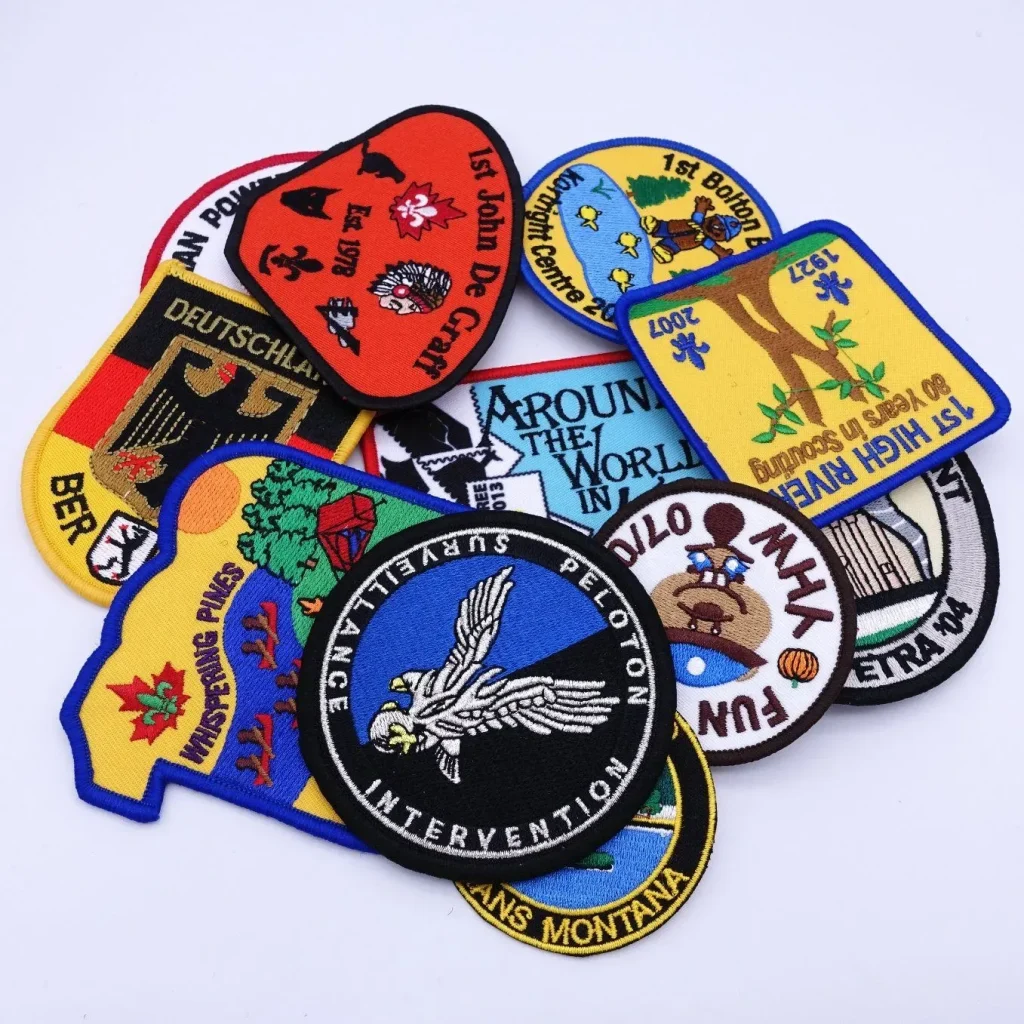
Custom Embroidered Patches for Brands are more than decorative accessories; they’re a strategic branding tool that can transform everyday apparel, uniforms, and merchandise into recognizable touchpoints that reinforce recognition, trust, and the narrative behind your company, its heritage, and its future ambitions. When designed with clarity, scale, and materials aligned to your identity, these patches act like portable billboards—capturing attention up close and from a distance while inviting customers to learn more about your values. Using techniques such as logo patches for branding, you can translate your mark into tactile, durable emblematic details that survive wear and washing while maintaining legibility across product lines, campaigns, and employee uniforms. Choosing the right materials and backing helps ensure high-quality patches that resist fraying, color bleed, and edge curl, preserving the integrity of your design through seasons, collaborations, and high-velocity drops. This guide introduces design principles, material options, production considerations, and practical applications to help you maximize impact and ensure your patches leave a lasting impression.
Put plainly, these embroidered emblems are tangible branding devices that combine texture, durability, and a sense of craftsmanship that digital logos alone cannot deliver. They function as wearable insignias, fabric badges, or branded emblems, expanding your brand language into garments and accessories with real-world presence. From a production standpoint, efficient patch creation involves thoughtful file preparation, thread selection, density planning, backing decisions, and quality control to ensure consistency across batches. By weaving patches into a broader branding strategy—across apparel, bags, and event collateral—you extend your visual storytelling into the physical world and create durable consumer touchpoints.
Custom Embroidered Patches for Brands: Elevating Identity Through Texture
Custom Embroidered Patches for Brands turn ordinary garments into portable ambassadors. They add tactile depth and longevity to your logo, making your identity feel tangible and premium. When designed with care, these patches act as a walking billboard for your values and story, reinforcing recognition with every wear.
To maximize impact, think of each patch as a mini-brand asset. Use contrasting yet brand-consistent colors, clean lines, and a thoughtful border to enhance legibility. This approach aligns with the idea of custom embroidered patches while ensuring that the patch embodies your brand ethos—heritage, craftsmanship, or innovation—every time it’s seen.
Design Principles for Effective Patch Embroidery for Branding
The design phase should start with the core elements of your brand. A strong patch uses logo integrity, high-contrast colors, and simplified details that reproduce well at patch scale. Patch embroidery for branding thrives when artwork is streamlined, ensuring sharp edges and clear symbolism even from a distance.
Consider size, shape, and typography as design levers. Larger patches can showcase detail; irregular shapes can feel premium but must remain practical for sewing or ironing. Limiting the color palette to 2–4 thread colors reduces production complexity while preserving legibility, especially for logo patches used across diverse products.
Materials, Backings, and Finishes: Building High-Quality Patches
The foundation matters as much as the design. A robust fabric base—such as traditional twill or twill-backed cotton—complements the embroidery and garment fabric, contributing to the patch’s overall durability and appearance. Choosing quality threads, especially colorfast polyester, helps ensure consistent hue and longevity across washes, supporting the promise of high-quality patches.
Backings and finishes influence wearability and installation. Iron-on backings offer convenience, while sew-on backings deliver the strongest hold for uniforms and outerwear. Finishing touches like a Merrow edge provide a clean, defined silhouette and improved durability, making the patch look and feel premium.
From Concept to Creation: The Patch Manufacturing for Brands Process
A successful project follows a clear pathway from concept to production under the umbrella of patch manufacturing for brands. Start with a brief that captures your brand guidelines, color specs, and desired backing. Designers translate this into embroidery-ready formats, with thread recommendations that balance appearance and cost.
Sampling is a critical checkpoint. A small batch verifies size, color fidelity, edge finish, and backing choice before committing to a full run. Clear feedback during approval minimizes re-runs and ensures the final product aligns with your brand’s storytelling and visual identity.
Placement, Applications, and Storytelling with Logo Patches for Branding
Logo patches for branding offer flexible storytelling across products. They elevate apparel branding on jackets, caps, bags, uniforms, and event swag, creating consistent touchpoints that reinforce recognition. Proper placement—think high-visibility locations and user-facing surfaces—maximizes impact.
Beyond mere decoration, patches tell a brand story through embroidery techniques, border styles, and color choices. Strategic placement and design can communicate heritage, collaboration, or seasonal campaigns, turning patches into collectibles and loyalty boosters that deepen customer connection.
Choosing the Right Partner: Quality Control, Turnaround, and Sustainability in Patch Production
Partner selection shapes the quality of your patches. Review a vendor’s portfolio to see how their work aligns with your brand aesthetics, materials, and backing options. Assess their capabilities for patch manufacturing for brands, including production scale, material variety, and color consistency.
Quality control and responsible sourcing matter as much as speed. Request samples, define defect tolerances, and discuss turnaround timelines upfront. If sustainability aligns with your brand, inquire about responsible sourcing and production practices to ensure high-quality patches that also meet your environmental standards.
Frequently Asked Questions
How do Custom Embroidered Patches for Brands act as portable billboards across apparel and merchandise?
Custom Embroidered Patches for Brands combine durability, texture, and storytelling. Patch embroidery for branding adds tactile value, while logo patches for branding provide consistent visuals across products. When designed well, these patches reinforce your brand every time they are worn or displayed. Consider backing options and edge finishes such as merrow to ensure longevity on different fabrics.
When designing logo patches for branding as part of Custom Embroidered Patches for Brands, how can I ensure high-quality patches?
Focus on logo integrity, legibility, and color. Use high contrast colors and clean lines that reproduce at the patch size. Limit the color palette to 2 to 4 thread colors, choose a practical shape, and finish with a defined border such as a Merrow edge. Create samples to verify appearance and durability for high quality patches.
Backing options for patch embroidery for branding in Custom Embroidered Patches for Brands: which choices maximize durability and ease of use?
Backing options include iron-on, sew-on, Velcro, and adhesive. Iron-on backing offers easy application but may require heat setting. Sew-on backing is the most durable for uniforms. Velcro allows removable branding, while adhesive backings are temporary. Match backing to usage and washing expectations to maximize durability for high quality patches.
What is the typical production workflow in patch manufacturing for brands from concept to finish?
A typical workflow includes the brief and design review, sampling, approval, production run, and quality control. Provide brand guidelines and color specs up front, verify size and edge finish in the sample, then ensure consistent workmanship and color fidelity in QC checks.
How can I maintain design consistency across multiple runs of Custom Embroidered Patches for Brands?
Standardize logo treatments, color codes, thread brands, and backing choices. Use a defined specification sheet, verify color matching, and implement rigorous quality control to minimize variation in stitching density and borders.
What should brands look for in a vendor for patch manufacturing for brands to ensure quality and branding alignment?
Evaluate the vendor’s portfolio for brand aesthetics, available materials and backing options, production capacity and turnaround times, and quality control practices. Request samples, review defect rates, assess communication and support, and consider sustainability practices if relevant.
| Aspect | Key Points | Notes / Examples |
|---|---|---|
| Why They Matter | Patches add texture, durability, and can function as portable branding billboards for your identity. They’re versatile on clothing and merchandise. | Applicable to fashion, sports, charity, and corporate sectors; emphasizes longevity and storytelling. |
| Key Terms | Custom Embroidered Patches for Brands; Patch embroidery; Logo patches; Backing options; Colorfastness & durability. | Brief definitions to speak with patch professionals. |
| Design Considerations | Logo integrity; Size & shape; Color palette (2–4 threads); Borders & edges; Text/Typography. | Use high-contrast colors, simplify complex artwork, and prefer defined borders (merrow) for clarity. |
| Materials & Quality | Fabric base options (twill, felt); Thread quality (polyester vs rayon); Embroidery density; Backing options (iron-on, sew-on, Velcro, adhesive); Finishing touches (merrow edges, heat-cut). | Balance durability, appearance, and wearability; consider base-material synergy with garment. |
| Production Process | Brief & design review; Sampling; Approval; Production run; Quality control. | A typical workflow from concept to finished patches with quality checkpoints. |
| Applications & Use Cases | Apparel branding; Event and membership swag; Uniforms and corporate gear; Product packaging and accessories; Collaborations and limited editions. | Patch applications across industries illustrate versatility and brand reach. |
| Branding Strategy | Consistency; Storytelling through embroidery; Placement planning; Limited runs and drops. | Align patches with a cohesive brand ecosystem and strategic launches. |
| Care, Maintenance & Longevity | Washing guidance; Iron-on longevity; Storage; Cleaning. | Provide end users with care tips to maximize patch life. |
| Choosing the Right Patch Vendor | Portfolio/experience; Materials & options; Turnaround & capacity; Quality control; Communication & support; Sustainability. | Select vendors that demonstrate brand alignment, quality assurance, and reliable service. |
Summary
Custom Embroidered Patches for Brands offer a durable, highly customizable way to tell your story across products and merchandise. These patches act as portable ambassadors, translating brand values into tactile detail that customers notice and remember. By aligning design, materials, production, and vendor selection with your brand guidelines, patches can strengthen recognition, loyalty, and perceived value. Start with a clear concept, choose compatible backing and size, and plan a strategic rollout to maximize impact. In short, well-crafted patches become an integral part of your branding playbook, extending your identity beyond apparel into every customer touchpoint.