
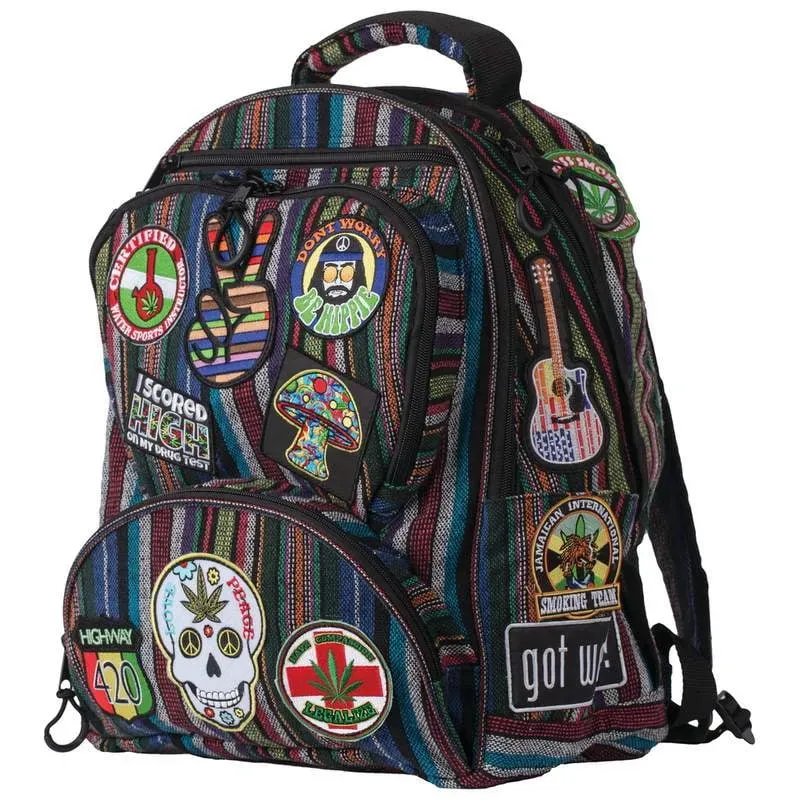
Embroidered Patches for Backpacks offer a stylish way to personalize gear and express your unique style. These patches blend durable construction with design so your bag can stand up to daily use. Tight stitching, reinforced edges, and colorfast threads help patches hold up through wash cycles and rough handling. Careful backing choices and proper placement ensure long-lasting attachment without compromising bag performance. This overview guides you toward patches that merge function with flair for everyday adventures.
Beyond simple decoration, these badge-style embellishments for bags offer practical versatility and a chance to tell a story. Durability of embroidered patches is influenced by thread quality, embroidery density, and edge finishing. If you want to express a theme without shouting, consider custom embroidered patches for bags that coordinate with your backpack’s color and fabric. By exploring finishes, backings, and placement, you can build a cohesive patch system that travels with you on every adventure.
Durability at the Core: Longevity of Embroidered Patches for Backpacks
Durability is the top priority when choosing patches for daily backpacks. The durability of embroidered patches is shaped by three core elements: the thread quality, the embroidery density, and the edge finish. High-grade polyester or cotton embroidery threads resist fraying and color fading, while dense stitching reduces wear from rubbing against zippers and seams.
Merrowed or satin edge finishes protect the patch perimeter from peeling and fraying, helping it survive snagging, washing, and repeated tugging on a backpack strap. Backing considerations also matter: sew-on patches become part of the fabric through stitching, while iron-on patches can detach with heavy use unless reinforced.
Choosing Color Options for Backpack Patches: Color Theory and Practicality
Color choices are a powerful tool for personal expression and legibility on a backpack. The color options for backpack patches depend on thread quality, fabric tone, and how colorfast the dye is under sun and wash. Well-chosen thread colors maintain vibrancy, ensuring the patch remains identifiable as you travel.
Color theory plays a role as well: high-contrast palettes grab attention on plain packs, while complementary tones create a cohesive look. Patch composition and fabric compatibility also influence how colors read—some hues pop on nylon but blend differently on canvas or leather.
Materials and Backing: Foundations for Longevity
Materials and backing form the foundation for longevity. Fabrics like nylon, canvas, polyester, and leather respond differently to patches, so choose patches designed for your bag material. Backing options range from sew-on to iron-on, and some patches use a mix of adhesives for added security.
Backing types influence durability and care: sew-on backing offers the strongest attachment for frequently used backpacks; iron-on backing is convenient but can require additional stitching or heat setting to withstand rugged wear. Patch weight also matters; heavier patches look substantial but demand sturdier stitching and a sturdier bag surface.
Sew-On vs Iron-On Patches for Backpacks: Pros, Cons, and Best Uses
Sew-on patches are widely regarded as the most durable option for heavy use, repairs, and washing cycles. They become a permanent part of the bag fabric when stitched with strong, even stitches, so they tend to hold up better under frequent wear.
Iron-on patches offer quick attachment and easy swap-outs, which is convenient for seasonal updates or experimentation. However, they can lift with heavy use or after repeated washing unless reinforced with additional stitches or a heat-setting cure.
Customization in Action: Custom Embroidered Patches for Bags
Designing your own patches lets you tell a story: pick a theme, define the color family, and set patch density for legibility. Custom embroidered patches for bags shine when the designs stay clear at their intended size and color.
Theme cohesion and practical balance matter: group patches by color family or motif to create a connected look, and avoid overcrowding the surface so each patch remains readable. Thoughtful composition helps your bag communicate personality without sacrificing usability.
Care, Maintenance, and Strategic Placement for Maximum Patch Life
Application and placement strategies help patches survive long-term: apply patches to taut areas away from high-friction zones, and follow proper stitching or heat-setting guidelines for installation. Proper placement reduces wear on both the patch and the backpack fabric.
Care routines—gentle washing, air-drying, and rotation of worn patches—preserve color and stitch integrity. When a seam lifts, re-secure with careful stitching, and consider adding a new patch nearby to maintain visual balance while spreading wear.
Frequently Asked Questions
How durable are Embroidered Patches for Backpacks, and what factors influence their longevity?
Durability of Embroidered Patches for Backpacks depends on materials and thread quality, edging, backing, patch density, and how you care for the item. Use high-grade polyester or cotton embroidery threads, merrowed or satin edges, and a backing that suits your bag (sew-on for long-lasting attachment; iron-on needs reinforcement). Proper washing (gentle cycle, turn inside-out) helps them stay vibrant and intact for months of daily use.
What color options for backpack patches should I consider when choosing Embroidered Patches for Backpacks?
Color options for backpack patches hinge on thread quality and colorfastness, contrast with the bag, and fabric compatibility. Choose vibrant, colorfast threads for visibility on nylon or canvas, or muted tones for a subtle look. Pair patches in a cohesive color family to preserve legibility and longevity.
Can I order custom embroidered patches for bags, and how does this fit with Embroidered Patches for Backpacks?
Yes—custom embroidered patches for bags let you specify size, shape, colors, and artwork to suit your backpack. When ordering, consider patch density, edge finish, and backing to ensure durability on daily wear.
Sew-on vs iron-on patches for backpacks: which method is best for Embroidered Patches for Backpacks?
Sew-on patches generally provide the strongest, most durable attachment for backpacks, especially with heavy use. Iron-on patches offer quick attachment but can lift with washing or rugged wear unless reinforced with stitching.
How should I apply and care for Embroidered Patches for Backpacks to maximize longevity?
For sew-on patches, stitch around the border with small, even stitches away from high-friction zones. For iron-on patches, follow heat guidelines and then add stitches for security. Wash inside-out on gentle cycles, air-dry when possible, and rotate patches to distribute wear evenly.
How do I choose the right patch size and color to match my backpack when using Embroidered Patches for Backpacks?
Start with your bag surface area and desired statement: smaller patches for busy backpacks, larger patches for a bold focal point. Use a cohesive color family to maintain balance, consider patch borders and negative space, and ensure color choices work with the bag material for legibility and durability.
| Aspect | Key Points |
|---|---|
| Durability of Embroidered Patches for Backpacks |
|
| Color Options and Style on Embroidered Patches for Backpacks |
|
| Materials and Backing: Choosing the Right Foundation for Longevity |
|
| Applying, Caring, and Preserving Your Patches |
|
| Choosing the Right Patch for Your Backpack and How to Mix Them |
|
| Conclusion |
|
Summary
Embroidered Patches for Backpacks offer a practical and stylish way to extend the life of a bag while expressing individual identity. By prioritizing durable threads, secure edging, appropriate backing, and mindful care, patches stay vibrant through daily use. A well-curated patch collection tells your story, pairing color and motif to reflect your personality and adventures.