
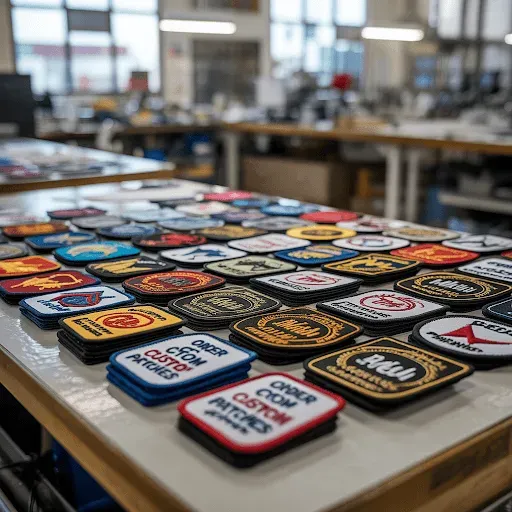
Custom patches for brands and fans have moved beyond decoration to become powerful branding tools that connect audiences to stories and values. By choosing from embroidered patches, woven patches, or PVC patches, you can tailor texture, durability, and impact to suit your audience. A well-designed patch supports identity, fosters loyalty, and creates a collectible moment that travels beyond the garment. From limited-edition drops to sponsor gifts, patches extend a brand’s reach and invite fans to participate in the narrative. This guide explores patch design and care, along with backing, size, color, and finish to maximize each patch’s potential.
Viewed through an alternative lens, these textile emblems act as brand badges that communicate identity on apparel, bags, and gear. In SEO terms, think of them as fabric insignias or logo patches that bridge product design, care, and customer engagement. Whether described as emblems, badges, or fabric patches, the core idea remains the same: a tangible way to extend brand reach and build community among fans.
Choosing the Right Patch Type: Embroidered, Woven, or PVC
Custom patches offer three primary material options—embroidered patches, woven patches, and PVC patches—each with distinct textures, weights, and capabilities. Embroidered patches deliver a classic, raised texture with strong durability and vibrant color fidelity when Pantone-matched threads are used, making them a staple for team jerseys and lifestyle apparel. Woven patches, by contrast, use a fine lattice weave that allows for intricate details and smaller text while remaining lightweight, often preferred for premium looks and minimalist branding. PVC patches provide bold 3D presence, high durability, and water resistance, ideal for outdoor gear and streetwear that crave a modern, standout aesthetic.
Choosing the right patch type hinges on the intended use, design complexity, and budget. Embroidered patches excel where durability and traditional charm matter most, especially in high-wear applications. Woven patches shine when detail and legibility at small sizes are a priority, while PVC patches suit logos with chunky outlines and saturated color blocks that demand a contemporary edge. Pairing the correct patch type with thoughtful backing and finishing can extend patch life and preserve brand fidelity across seasons.
Designing for Brand Identity: Aligning Patch Design with Logo and Palette
A strong patch design starts with a clear brief that captures brand identity, color palette, and storytelling goals. For patch design and care, specify color codes (Pantone or CMYK equivalents) so embroidered patches maintain consistent hues across batches. The logo should be simplified for small scales, with legibility preserved through clear typefaces and balanced negative space, ensuring that the patch remains recognizable whether it’s stitched on a jacket or displayed on a cap.
Shape, size, and edging choices influence perception and practicality. Round, shield, or rectangular shapes convey different vibes, while irregular shapes can highlight distinctive brand marks. Edging options like merrow borders or satin stitching affect durability and finish, and the backing (iron-on, sew-on, or Velcro) should align with how fans and partners will use the patches. Aligning these design decisions with your chosen patch material—embroidered, woven, or PVC—ensures visual consistency and wearability.
Custom patches for brands and fans: Strategies for Limited Drops and Community Building
Custom patches for brands and fans can turn patches into powerful branding assets and community symbols. Limited-edition drops create scarcity and anticipation, encouraging fans to collect, trade, and showcase patches as part of their personal identity. By emphasizing design quality, material choice, and authentic storytelling, you can strengthen the emotional connection between a brand and its audience while expanding reach through social sharing and word-of-mouth.
Patch-based programs can support clubs, events, sponsorships, and merchandise collections. Use custom patches to reward loyalty, recognize volunteers, or celebrate milestones, turning wearers into walking ambassadors. When paired with complementary products and cohesive packaging, these patches reinforce a consistent brand experience and keep fans engaged across seasons.
Production Considerations: Backing, Edging, and Finishing for Longevity
Backings and finishes play a crucial role in how patches are worn, washed, and attached. Iron-on or heat-seal backings offer quick application, while Velcro and sew-on backings provide long-term durability for jackets, bags, and gear. Finishes such as merrow edging or laser-cut edges influence edge sharpness and durability, affecting how the patch performs under abrasion and laundering. Understanding these options helps balance convenience, cost, and longevity for patches across embroidered, woven, and PVC varieties.
Production decisions also impact lead times, minimum order quantities (MOQs), and overall cost. Embroidered patches often deliver reliable color reproduction and durability, woven patches are great for detailed logos with smaller text, and PVC patches excel in bold shapes and weather-resistant applications. Aligning material choice with backing, edging, and finishing ensures consistent quality, predictable turnaround, and a patch program that scales with demand.
Care and Maintenance: Extending Patch Life Across Garments
Different patch types require tailored care to preserve appearance and adhesion. Embroidered patches benefit from gentle washing, turning garments inside out and avoiding high heat that can degrade backing. Woven patches usually withstand regular laundering but still benefit from air-drying and avoiding excessive hot cycles to maintain texture and color. PVC patches are highly durable but can accrue surface scratches; clean with mild soap and water and avoid harsh solvents to prevent edge peeling.
Providing clear care instructions with each patch order helps fans and retailers maintain brand integrity over time. Consider the garment type and washing conditions when advising on iron-on versus sew-on installations, and remind customers that repeated heat exposure can weaken adhesives. Proper care not only preserves aesthetics but also supports long-term adhesion and color fidelity across different fabrics and use cases.
Measuring Success and Trends: Tracking ROI and Staying Fresh with Patch Design and Care
Measuring the impact of a patch program involves both quantitative and qualitative metrics. Track sales uplift, merchandise revenue, and reorder rates for embroidered, woven, and PVC patches, as well as fan engagement and social sharing around limited editions. Evaluating color fidelity, edge quality, and durability in real-world wear also provides insight into how well your patch design and care guidelines translate into lasting brand impressions.
Staying ahead of trends means blending traditional craft with modern techniques. Brands are increasingly experimenting with multi-material patches, 3D effects, glow-in-the-dark threads, and transparent PVC finishes to capture attention. Regularly refreshing color variants, offering seasonal drops, and aligning patches with campaigns help maintain relevance while preserving consistency with core branding and care standards.
Frequently Asked Questions
What are Custom patches for brands and fans and why do they work for branding and storytelling?
Custom patches for brands and fans are specialty fabric patches designed to carry a logo, message, or story across apparel and accessories. They help with branding, fan engagement, and community building by turning wearables into portable brand experiences. When planning, start with a clear design brief, choose the patch type such as embroidered patches, woven patches, or PVC patches, and align shape, color, and backing with your program goals.
How do embroidered patches compare to woven patches for brand storytelling within Custom patches for brands and fans?
Embroidered patches offer classic texture, strong color fidelity, and durability, making them ideal for bold logos on teams and fashion lines. Woven patches are flatter and detail rich, great for micro text and complex gradients on premium looks. For Custom patches for brands and fans, choose embroidery for a traditional feel or weave for subtle branding, balancing cost and visibility.
Why choose PVC patches for a bold option in Custom patches for brands and fans?
PVC patches deliver thick, 3D texture and bright colors that stand out on outerwear and streetwear. They are durable, water resistant, and easy to clean, making them a strong choice for high impact campaigns in Custom patches for brands and fans.
How does patch design and care affect longevity of Custom patches for brands and fans?
Design and care are closely linked to patch life. A clear design brief, legible type at small sizes, and proper backing help ensure consistent embroidery or weaving. Following care guidelines such as gentle washing for embroidered patches or avoiding harsh solvents for PVC patches extends wear and preserves brand integrity.
What backing options work best for Custom patches for brands and fans across different garments?
Backings such as sew on, iron on, heat seal, or Velcro support different fabrics and use cases. For apparel that is laundered regularly, iron on or heat seal plus a sew on option can provide secure attachment and easy removal when needed. Always test backing compatibility with your patches and fabric before a full run.
What is the ordering journey for Custom patches for brands and fans from concept to delivery?
Start with concept and artwork review by sharing vector files and color references. Select material and backing for embroidery, weaving, or PVC. Request prototypes to verify color, size, and edge finishing. Confirm final production details such as MOQ and lead time, then perform quality control on arrival and plan distribution to fans or partners.
| Aspect | Key Points |
|---|---|
| What makes patches special | Versatile branding tool; tangible connection with audience; usable for limited drops, sponsor gifts, clubs, events, and merchandise programs; extends reach beyond the original canvas. |
| Patch types | Embroidered: durable, classic look; strong color fidelity with Pantone‑matched threads. Woven: detailed, flatter, lighter; good for microtext and gradients. PVC: bold shapes, 3D textures; durable and water‑resistant. |
| Design considerations | Brand identity, shape/size, typeface/artwork legibility, patch material, backing and finish (iron‑on, heat‑seal, Velcro, sew‑on); finishes like merrow/satin edges affect aesthetics and cost. |
| Material & production | Embroidery: traditional, durable, strong color reproduction. Woven: detail, light weight. PVC: saturated colors, bold shapes. Budget factors: colors, backing, edging; longevity varies by method. |
| Ordering journey | 1) Concept/artwork review 2) Material/backing selection 3) Prototyping/sampling 4) Final production (MOQ, lead time, packaging) 5) Quality control & delivery. |
| Care | Embroidered: wash inside out, gentle cycles; if iron‑on backing, launder before reapplying. Woven: air‑dry; avoid excessive heat. PVC: mild soap and water; avoid harsh solvents. |
| Use cases | Limited‑edition drops; community engagement; employee/partner rewards; seasonal branding; event memorabilia. |
| Measuring success & trends | Sales uplift, fan engagement, reorder rates, durability in real use; trends include multi‑material patches, 3D effects, glow‑in‑the‑dark threads, and transparent PVC. |