
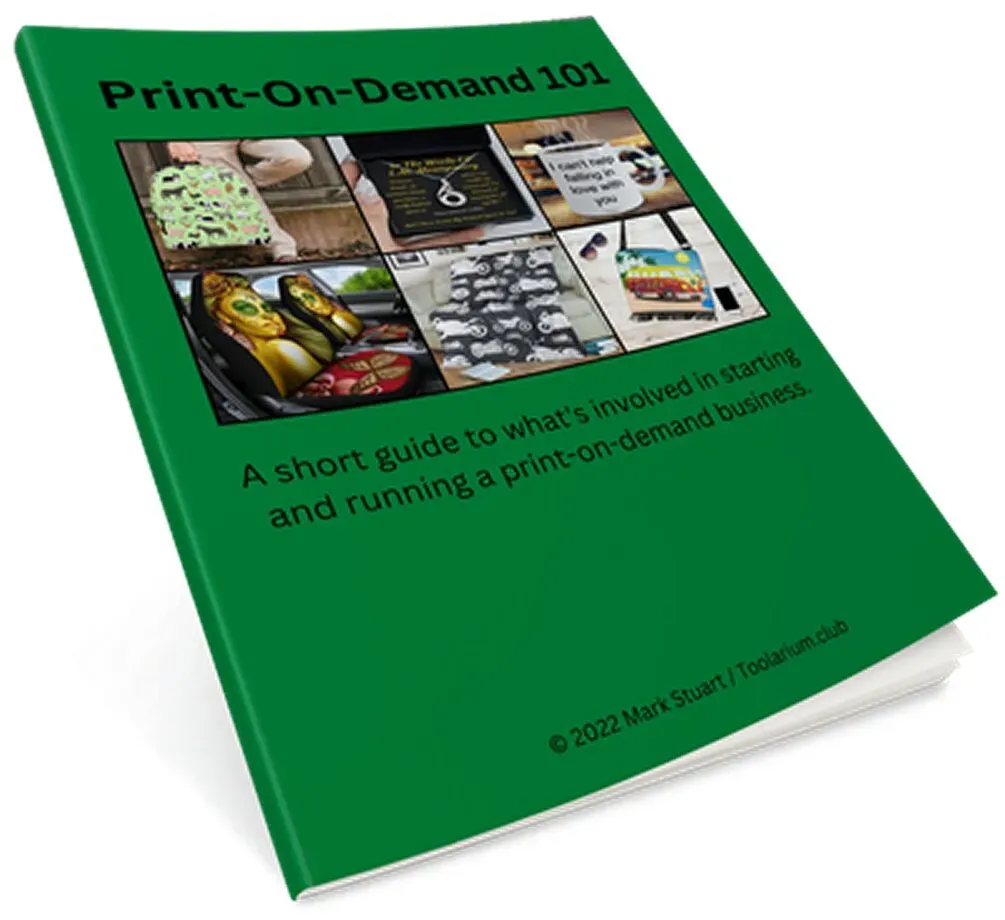
Print on Demand 101 is your practical introduction to turning creative ideas into a scalable online business. In this guide, you’ll learn what POD is, why it’s appealing to print on demand beginners, and how to choose the best POD platforms. We’ll cover how to start a POD store, from niche selection to product strategy. You’ll also see guidance on launching a POD store, validating ideas before you sell. By the end, you’ll have a practical plan to build a sustainable print on demand business.
Think of it as an order-based merchandise model where designs print after a customer checks out. This approach links design, production, and fulfillment in a low-risk, scalable workflow. Alternative terms you might see include on-demand printing, fulfillment-as-a-service, and custom product sourcing. For aspiring store owners, focusing on a clear niche, reliable suppliers, and a streamlined brand message helps translate ideas into consistent sales.
Print on Demand 101: Getting Started with Your First POD Store
Print on Demand 101 marks the starting line for many aspiring entrepreneurs. In practical terms, it lets you test ideas without upfront inventory, using a POD platform to print designs only after a sale. For beginners, this framework reduces risk while teaching you the ropes of product selection, pricing, and fulfillment. If you’re exploring how to start a POD store, this guide highlights the steps and decisions that matter most in the early days and helps you build confidence as you learn the basics of the print on demand business.
To begin, define a narrow focus or niche, pick a compatible POD platform, and set up a storefront (Shopify, Etsy, or a marketplace). Start small with a few core products like a t-shirt, a mug, and a tote bag. This aligns with the Print on Demand 101 approach: validate ideas quickly, gather feedback, and iterate. The goal is to move from curiosity to first orders while keeping costs manageable.
Choosing Your Niche for a Profitable Print on Demand Business
For print on demand beginners, success starts with a well-defined niche. A tight focus helps you tailor designs, marketing messages, and product assortments that speak to a specific community. When you choose a niche—such as eco-friendly lifestyles, pet lovers, or fandom enthusiasts—you simplify your content and attract a dedicated audience. This is essential when building a sustainable print on demand business.
To validate your niche, look at search demand, competitor activity, social conversations, and potential profit margins. Create a few signature designs and test them across a small set of products. The outcome informs your product strategy, pricing, and how you plan to scale when you launch a POD store.
Selecting POD Platforms and Suppliers
Choosing POD platforms is not just about printing; it’s about reliability, product variety, and cost structure. For many sellers, Printful, Printify, and Gooten are common starting points because they integrate with major storefronts and offer different print providers. As you begin, compare fulfillment times, quality control, and shipping zones to find the right fit for your print on demand journey.
Order samples to verify color accuracy and feel. Build a short list of best-fit products for your niche, then map the supplier options to your storefront. This step embodies the Print on Demand 101 mindset—learn by doing, optimize margins, and safeguard customer satisfaction in your print on demand business.
Design, Prototypes, and Quality Assurance in Print on Demand
Design is the heartbeat of a POD business. Create high-resolution designs, mock them up on multiple products, and run test orders to see how prints translate in real life. For print on demand beginners, this stage teaches placement, color management, and material feel. Quality matters: a few poorly printed items can derail a launch and erode trust in your brand.
Keep a small batch of prototypes to compare across providers and materials. Build a simple QA checklist that covers print clarity, garment weight, and packaging. Document your findings to guide future iterations and ensure every product aligns with your brand promise when you launch a POD store.
Store Setup, Branding, and Hybrid Selling Strategies
Your store setup blends brand identity with practical logistics. Build a cohesive storefront on Shopify, WooCommerce, or another platform, and consider selling on marketplaces like Etsy or Amazon to gain initial traffic. This hybrid approach supports beginners learning how to start a POD store while maximizing visibility from day one.
Branding consistency across logo, color, typography, and photography helps customers recognize your print on demand business. Invest in clear product descriptions, accurate sizing, and transparent shipping policies. Plan for fulfillment readiness and solid customer support as you expand your range with POD platforms.
Marketing, SEO, and Launch Tactics for Your POD Store
Marketing, SEO, and launch tactics are the engine that drives awareness for your POD store. Use LSI-rich content around Print on Demand 101 terms, focusing on queries such as print on demand beginners, how to start a POD store, and launching a POD store. Create product pages, guides, and FAQs that answer real questions from your niche and improve search visibility.
Beyond organic SEO, leverage social proof, email capture, and launch promotions. Develop a compact launch plan with early-bird discounts, collaborative posts, and a plan to measure conversions, AOV, and customer lifetime value. By combining content marketing with authentic storytelling, you can scale your print on demand business over time.
Frequently Asked Questions
What is Print on Demand 101 and how does it serve aspiring entrepreneurs looking to start a POD store?
Print on Demand 101 is a practical blueprint for understanding the POD model, reducing inventory risk, and getting your store live quickly. It equips you with the core steps to launch a POD store, choose platforms, design products, and market effectively, making it ideal for print on demand beginners and anyone pursuing a print on demand business.
What are the essential first steps for someone learning how to start a POD store?
Core steps include defining a niche, selecting POD platforms, creating appealing designs, building a storefront, ordering samples, and planning pricing and launch marketing. Following Print on Demand 101 helps beginners stay focused as they take the first actions to start a POD store.
Which POD platforms are best for Print on Demand 101 beginners?
Top POD platforms for Print on Demand 101 beginners typically include Printful, Printify, and Gooten. Evaluate each for product variety, quality, pricing, and integrations to choose the best POD platforms for your needs.
How do I approach choosing a niche and product strategy when launching a POD store?
When launching a POD store, start with a clear niche, test a small product set, and iterate designs based on feedback. A solid product strategy helps you stand out in your chosen niche and makes the most of your launch.
What are realistic profit margins and pricing considerations in a print on demand business?
Aim for a base price that covers the POD cost plus platform fees and a healthy margin. A common target is a 40–60% gross margin after product cost and fulfillment, with room for marketing and store expenses. This aligns with Print on Demand 101 guidance for pricing and profitability in a print on demand business.
What common mistakes should beginners avoid when following Print on Demand 101 and launching a POD store?
Common mistakes include skipping samples, neglecting SEO and product descriptions, overstocking a large catalog, underpricing, and ignoring customer service. Avoid these when following Print on Demand 101 and launching a POD store to improve your odds of success.
| Topic | Key Points |
|---|---|
| What is Print on Demand | Definition: orders trigger printing; no upfront inventory; reduces risk; enables quick entry into ecommerce. |
| Why POD Appeals to Beginners | Low startup costs; easy testing of ideas; retains creative control; scalable with the right strategy. |
| Niche & Product Strategy | Define a clear niche; test a small product set (e.g., t-shirt, hoodie, mug); tailor messaging; expand based on demand. |
| Choosing POD Platforms | Popular options: Printful, Printify, Gooten; each has strengths in branding, network, and product variety; order samples. |
| Products & Suppliers | Start with versatile basics; test colors/placements; verify print quality via samples. |
| Store Setup & Branding | Choose marketplaces (Etsy, Amazon) or standalone stores (Shopify, WooCommerce); hybrid approaches work well; strong branding and clear product pages reduce friction. |
| Pricing & Profitability | Base price must cover costs plus fees; aim for 40–60% gross margin; budget for ads, apps, and storefront costs. |
| Marketing & SEO | Conduct keyword research; weave focus keywords (e.g., Print on Demand 101, print on demand beginners) into titles, descriptions, and meta tags; use content marketing to attract niche audiences. |
| Customer Experience & Policies | Clear shipping/returns policies, international duties info, prompt customer support and order tracking. |
| Launch & First Sales | Finalize niche/products; order samples; set up essential pages; connect POD to store; implement a basic launch plan; monitor key metrics. |
| Scaling & Growth | Expand product lines and markets; consider collaborations; improve branding/packaging; balance automation with personal touches. |
Summary
Table and content above summarize the key points of the base material on Print on Demand 101. The HTML table provides a structured overview of concepts from what POD is to scaling a POD business, while the concluding section recaps the topic in a descriptive, SEO-friendly way for readers exploring Print on Demand 101.