
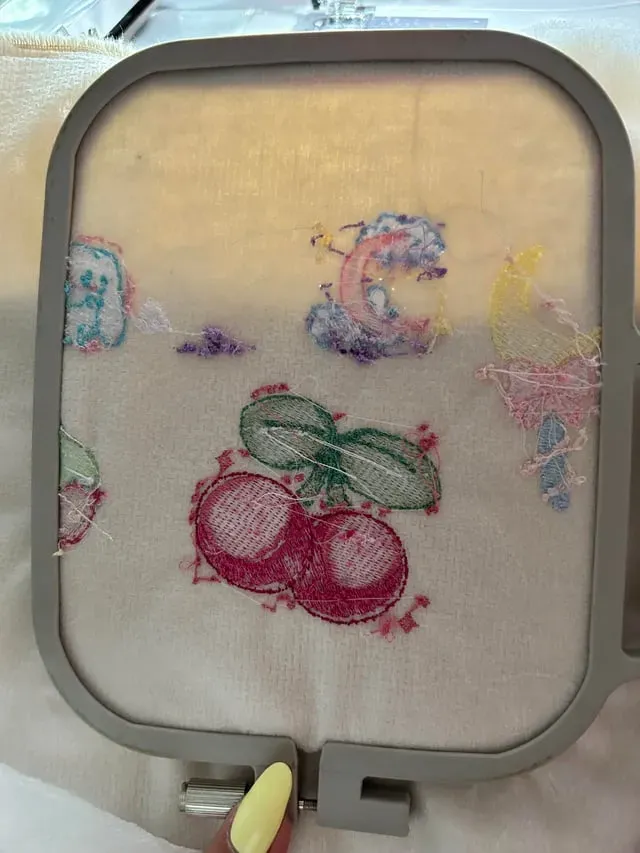
In embroidery projects, embroidered design issues can derail progress faster than you can swap a needle. Understanding embroidery tension helps you balance the stitch and avoid a bubble-like surface or loose underlay. Using a methodical approach to testing, you can pinpoint causes and prevent surprises that compromise the look. Selecting the right fabric and spacing, plus a quick test run, keeps details sharp and edges even. With careful adjustments to tools and settings, you’ll produce durable, professional embroidery results.
From a broader perspective, many needlework challenges stem from how stabilizers for embroidery interact with different fabrics. Alternative terms for the same issues include stitch misbalance, fabric pull, and edge wear that degrade both appearance and durability. When you notice puckering in embroidery, adjust backing, test on scrap, and refine stitch density to regain flat surfaces. If fraying embroidery edges appear near satin stitches or edges, increase stabilizer support and choose a compatible needle and thread. Practical embroidery troubleshooting tips emphasize quick, repeatable tests, clear documentation of settings, and methodical fixes that keep future projects on track.
Understanding Embroidery Tension: Achieving Balanced Stitches
Embroidery tension governs how tightly threads are pulled during stitching and directly affects the overall appearance of your design. When top thread tension is too tight or bobbin tension is too loose, you’ll see a mismatch between the top and bottom stitches, creating a bubbly surface or loose loops on the reverse. The key to balanced stitches is testing on a scrap that matches your fabric and stabilizer, then iterating with small tension adjustments. By focusing on embroidery tension as the root of common rejects, you can save time and protect the fabric from unnecessary strain.
To diagnose tension problems, perform a quick test run and observe balance on both sides. If issues persist, adjust the top thread tension in small increments and re-test. For bobbin-related instability, consult the manual or seek service to check the bobbin spring and threading path. Keep notes of successful settings for each fabric type so you can replicate results in future projects. This approach aligns with practical embroidery troubleshooting tips, helping you move from guesswork to reliable, repeatable results.
Combating Puckering in Embroidery: Stabilization and Fabric Choice
Puckering in embroidery occurs when fabric doesn’t lie flat under the hoop, or when stitch density is too aggressive for the chosen fabric. Lighter fabrics tend to gather and ripple, while dense fills can overwhelm mid-weight weaves. The symptom is a puckered surface on the right side and less crisp lines along edges. Recognizing puckering in embroidery early lets you adjust stabilization and design settings before committing to the final piece.
Choose stabilization tuned to the fabric, such as tear-away for light fabrics, cut-away for denser textures, or sticky stabilizers for tricky knits. Under-hooped fabrics can also contribute to puckering, so hooping should be taut but not stretched. A water-soluble topping can reduce friction for delicate fabrics, and reviewing stitch density helps to smooth out the surface. This mindset matches embroidery troubleshooting tips by preempting tension and stabilizer issues before they harm the finished look. Remember to test with a small sample design to confirm results.
Fraying Embroidery Edges: Preventing and Repairing Edge Wear
Fraying embroidery edges are common near long satin stitches or designs that run close to fabric selvages. Fraying embroidery edges can be caused by fiber wear, aggressive thread rubbing, or insufficient backing. Edges may unravel with time if fibers are not held in place by proper stabilizers and needle choices. Understanding fraying embroidery edges helps you address both edge behavior and longevity of the piece.
Repair options include selecting a compatible needle size (often 75/11 or 80/12 for mid-weight fabrics), using high-quality embroidery threads, and increasing stabilizer support around the edges. Finishing with a light touch of temporary stabilizer spray or fabric glue can lock fibers during stitching and reduce edge wear. For added durability, consider switching to a backing that provides better edge control and re-seating the hoop to avoid edge movement. These steps reduce future fraying and extend the design’s life.
The Right Stabilizers for Embroidery: Choosing and Using Stabilizers for Different Fabrics
Stabilizers for embroidery play a critical role in shaping stitch behavior, reducing fabric distortion, and preserving design integrity. The right stabilizer type and weight depend on fabric content, weave, and project goals. Saying ‘stabilizers for embroidery’ isn’t enough—matching the stabilizer to the fabric enhances embroidery performance from satin fills to dense outlines.
Experiment with temporary toppers and different backing options, and always test on similar fabric to confirm stability, pull, and finish. When in doubt, pair stabilizers for embroidery with a light test run and observation of fabric recovery after removal. Documentation of results helps you repeat successful combos and minimizes future fabric frustration. This practical approach aligns with a broader embroidery troubleshooting tips mindset and yields consistent results across projects.
Practical Troubleshooting Tips: A Step-by-Step Guide to Fixing Common Embroidery Problems
Practical troubleshooting begins with a systematic assessment of the symptom, then a step-by-step correction. Start by verifying hoop alignment, frame stability, and thread path, followed by a scrap test to assess tension balance and stitch quality. Address common issues—tension, puckering, and edge fraying—one at a time so you can observe the effect of each change. This method mirrors the core of embroidery troubleshooting tips.
Next, examine the needle size, thread type, and stabilizer compatibility before re-running a small design. If the top thread and bobbin behave inconsistently, re-thread carefully, check the bobbin winding, and ensure the machine is clean and properly serviced. This deliberate, methodical process helps you prevent guesswork from seeping into production and strengthens your ability to troubleshoot quickly in the studio or on-site.
Preventive Practices for Cleaner Stitches: Proactive Measures to Avoid Embroidered Design Issues
Preventive practices foster cleaner stitches and reduce the risk of recurring issues, with planning as the first line of defense. Start by selecting fabric-compatible stabilizers and testing combinations before committing to the final design. Regular machine maintenance, fresh needles, and quality threads minimize variables that contribute to embroidered design issues.
Maintain a quick-reference record of proven settings for each fabric, keep a small stash of stabilizers for embroidery, and pre-test any new digitized elements. By combining proactive stabilization, careful hooping, and disciplined testing, you’ll remove many causes of fraying, puckering, and tension problems before they appear. This preventive mindset aligns with the goal of producing durable, professional results and avoids embroidered design issues in future projects.
Frequently Asked Questions
Why does embroidery tension cause uneven stitches, and how can I fix embroidery tension problems?
Embroidery tension problems occur when the top thread and bobbin are not balanced. Start with a scrap fabric, test a small design, and adjust top thread tension in small increments (a quarter-turn) until stitches lie flat on both sides. If the bobbin tension seems off, check the bobbin spring or have a technician inspect it.
What causes puckering in embroidery and how can stabilizers for embroidery help prevent it?
Puckering in embroidery happens when fabric isn’t stabilized enough or the stitch density is too high for the fabric. Use an appropriate stabilizer (tear-away, cut-away, or sticky-stabilizer) under and around the embroidery area; hoop the fabric taut but not stretched; moderate stitch density for delicate fabrics.
Why do fraying embroidery edges occur and how can I reduce edge fraying?
Fraying embroidery edges occur near tight satin stitches or near fabric edges, influenced by needle size and thread quality. Use an appropriate needle (e.g., 75/11 or 80/12) for the fabric and thread, select durable threads, and increase stabilizer support at edge areas; consider a light finishing step to keep fibers in place.
Which stabilizers for embroidery work best for delicate fabrics?
Choosing stabilizers for embroidery depends on fabric weight and type. For delicate fabrics, start with a lighter stabilizer or a water-soluble topper to reduce friction; for denser areas, use tear-away or cut-away stabilizers with proper hooping. Always test on a scrap piece first.
What are some embroidery troubleshooting tips for common design issues?
Embroidery troubleshooting tips include testing on scrap fabric to verify tension and stitch balance, checking hooping and stabilization, confirming correct needle size and thread type, and re-running a small test with adjusted density and stitch length before finalizing.
How can I prevent embroidered design issues in future projects?
To prevent embroidered design issues, plan fabric and stabilizer combinations in advance, maintain your machine with regular service and fresh needles, use quality threads, pre-test every new design, and document settings that work for each fabric.
| Aspect | What it is | Causes | Symptoms | Fixes / How to Address |
|---|---|---|---|---|
| Tension and stitch balance | The tightness of both the top thread and the bobbin thread | Incorrect machine tension; imbalance between top and bobbin | If top thread is too tight, fabric pulls and creates a tight, bubbly surface on the right side; the bobbin thread may stay loose, causing loops on the underside. If bobbin tension is too loose, top stitches become fluffy or uneven, and the underside shows loops or sagging. | Test on scrap fabric with the same stabilizer and fabric; adjust top tension in small increments (a quarter-turn) and re-test until stitches lie flat and balanced. If bobbin tension is uncertain, consult the machine manual or have a tech check the bobbin spring. |
| Puckering and fabric stabilization | Fabric not laying flat under the hoop or stitch density is too aggressive for the fabric | Inadequate stabilization or incompatible fabric | Puckering shows as fabric bunching or a puckered surface; lightweight fabrics tend to puckers; heavier fabrics may require different hooping | Choose an appropriate stabilizer (tear-away, cut-away, or sticky-stabilizer) based on fabric and project; hoop taut but not stretched; place stabilizer under embroidery area; use water-soluble topping for delicate fabrics to reduce friction; review stitch density and reduce density for delicate fabrics or switch to lighter fills |
| Fraying at edges and thread wear | Fraying near satin edges or where designs run close to selvages | Thread choice, needle size, or stabilizer incompatibility | Edges show fraying and threads wear near satin edges | Choose an appropriate needle size (often 75/11 or 80/12 for mid-weight fabrics); use high-quality embroidery threads; increase stabilizer support along edges; consider temporary tape or fabric glue to hold fibers during stitching; for extended projects, a light spray of temporary stabilizer can help without residue |
| Practical fixes you can implement today | Hands-on steps to address multiple issues | N/A | N/A | Reassess fabric/stabilizer compatibility; rework test stitches; fine-tune needle and thread; tackle friction by adjusting hoop height or stabilizer; adjust stitch length and density; check bobbin winding and threading |
| Preventive strategies for future projects | Ways to prevent issues on future projects | N/A | N/A | Plan fabric/stabilizer combinations; maintain machine; use quality materials; pre-test every new design; document settings that work for future projects |
Summary
Conclusion: Embroidered design issues like tension imbalances, puckering, and fraying are common but manageable with careful diagnosis and targeted fixes. Understanding how machine tension, stabilization, fabric behavior, and thread interactions influence the final stitch helps prevent problems before they occur and enables rapid resolution when they arise. Start with a solid test setup, verify stabilizer compatibility, and adjust stitch balance and thread tension in small increments to keep edges crisp and surfaces smooth. With a systematic approach and quality materials, you’ll achieve durable, professional embroidery results that reflect your skill and attention to detail.