
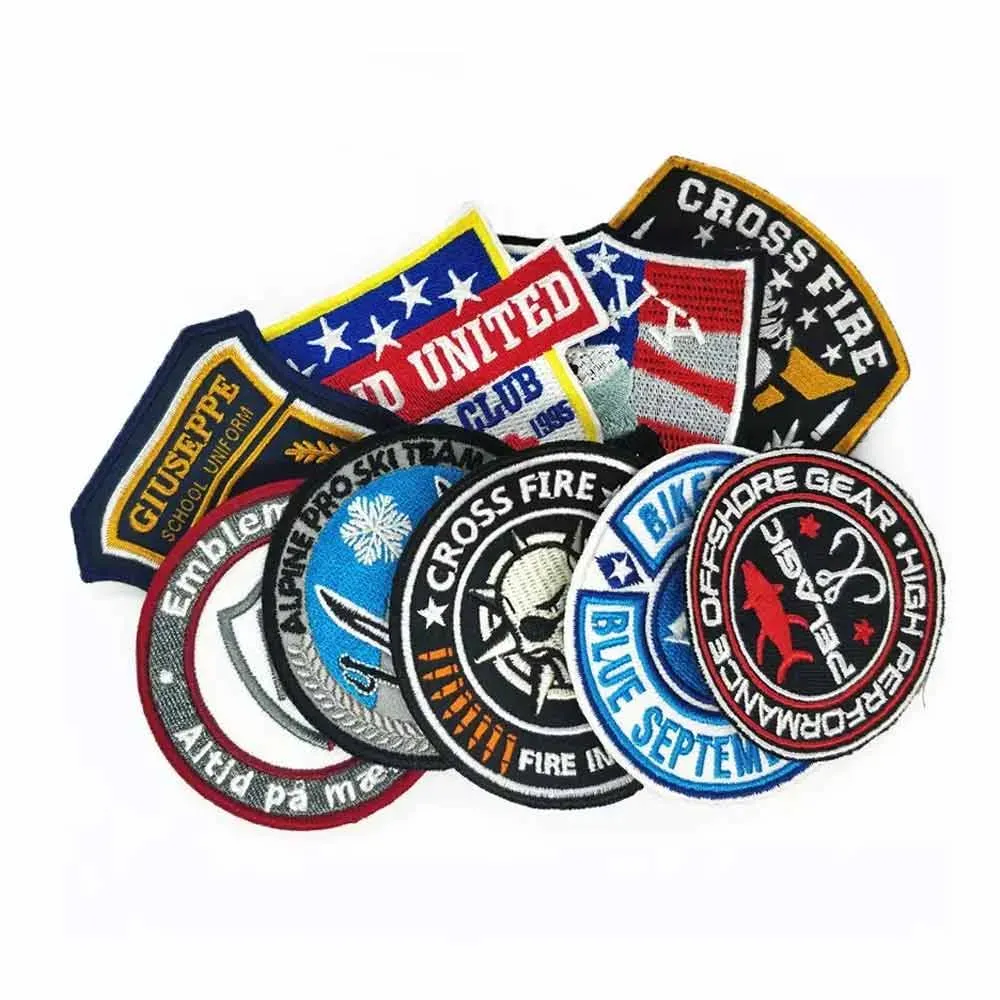
Embroidered patches have long been more than decorative details; they are storytelling devices. From military insignia and workwear to rebellious streetwear and haute couture, they trace a remarkable arc that ties personal expression to fabric, function, and cultural memory. They are small, affordable, and endlessly adaptable, enabling individual voice, nods to heritage, and sustainable wardrobe refreshment for daily life and special occasions alike. This introductory look at their journey asks how such simple motifs can signal status, allegiance, or a mood without requiring a full garment overhaul in crowded closets and busy wardrobes. By tracing techniques and trends from past to present, readers discover why patches remain a versatile tool in fashion storytelling across decades, regions, and subcultures.
Viewed through broader terminology, these stitched badges function as fabric emblems, textile appliqués, and decorative patches that narrate identity on garments. In this context, the history of embroidered patches, the revival of embroidered patches, and the patch embroidery fashion trend together illuminate how design moves from utility to personal expression. The DIY embroidered patches movement makes customization accessible to hobbyists and small studios alike, aligning with sustainability and the desire for unique, handmade pieces. Across modern fashion patches, designers balance tradition and innovation, using refined stitching, varied textures, and deliberate placement to create signature details. Together, patchwork language—emblems, motifs, and textures—continues to evolve as a democratic, creative vocabulary for wardrobes worldwide.
The History of Embroidered Patches: From Badges to Fashion Language
Embroidery has long carried the weight of symbolism, and embroidered patches began as badges of rank, unit identity, and craft tradition. Military uniforms across empires used stitches and embroidery to denote allegiance, achievements, and status, turning small cloth medallions into portable records of experience. This is the core of the history of embroidered patches: they were practical identifiers that evolved into expressive artifacts.
As textile technology advanced, patches moved from utilitarian insignia to civilian adornment on workwear, denim, and scout uniforms. Hand embroidery gave way to machine embroidery, enabling more intricate motifs with speed and consistency. Over time, patches became a visual language—each design signaling travel, loyalty, or a favorite band long before logos became ubiquitous on clothing.
The Revival of Embroidered Patches in Modern Fashion
The revival of embroidered patches marks a deliberate shift from utilitarian patches to expressive accessories. In the late 20th and early 21st centuries, patches reappeared on denim, leather jackets, backpacks, and hats, but with a fresh edge that aligned with youth, DIY culture, and sustainable fashion. The revival of embroidered patches was about more than nostalgia; it democratized design, letting people customize garments with a few patches to create one-of-a-kind pieces.
Several forces propelled this resurgence: thrift-store gold mines, faster production of high-quality patches, and social media that amplified patch-heavy outfits. In modern fashion, patches evolved from back-of-jacket statements to strategic design elements, whether a subtle sleeve detail or a bold chest cluster, sometimes becoming a signature motif tied to a brand or collaboration.
The Patch Embroidery Fashion Trend: Expression, Texture, and Sustainability
The patch embroidery fashion trend blends heritage with experimentation, offering a flexible storytelling tool for garments. Patches enable quick, expressive changes—reflecting interests, affiliations, or moods—while also supporting a more sustainable approach to fashion. This trend thrives on the idea that a few well-chosen patches can refresh a piece without full replacement.
In contemporary design, patches function as focal points or understated accents. A single well-placed patch can draw attention, whereas a clustered arrangement can transform a plain jacket into wearable art. Designers experiment with patch shapes, colors, and textures, merging traditional stitches with modern graphics and digital motifs to produce outcomes that range from couture-inspired to street-smart while underscoring the enduring relevance of the history of embroidered patches.
DIY Embroidered Patches: Empowering Personal Style and Community
DIY embroidered patches empower individuals to participate in fashion design without expensive equipment or formal training. The simplicity of iron-on or sew-on options makes customization accessible to hobbyists and small studios alike, aligning with a broader DIY ethos and sustainability goals. The DIY movement turns patchmaking into a collaborative, creative act rather than a corporate product.
Choosing patches becomes a form of storytelling when people select designs that echo childhood memories, bands, travels, or social causes. The patch embroidery trend thrives on collaboration—artists team with brands, fans create patches for subcultures, and clubs commission patches to commemorate membership. The tactile qualities of embroidery—stitch density, thread shading, and texture—offer a dimensional alternative to printed graphics.
Modern Fashion Patches: Global Perspectives and Cross-Cultural Influence
Patch culture is not monolithic; it mirrors regional fashion ecosystems and histories. Across regions, patches carry political messages, celebrate pop culture, or honor art and tradition, while the global patch scene thrives on cross-pollination—designers borrowing motifs from traditional embroidery in one place and reinterpreting them through another culture’s streetwear lens. These intercultural dialogues keep embroidered patches relevant while respecting origin stories.
As designers explore global influences, patches appear across diverse contexts—from high-concept runways to everyday streetwear. The result is a panorama where modern fashion patches function as symbols of identity, collaboration, and movement—bridging generations and geographies while inviting wearers to participate in a shared language of craft and style.
Practical Guide to Integrating and Caring for Embroidered Patches
For those new to patches, starting small is a smart strategy. Place a single, thoughtfully chosen patch to elevate a garment without overwhelming its silhouette. Classic pairings include denim jackets, backpacks, or hat brims, and more contemporary looks often mix patches of varying sizes and textures for a dynamic effect. This practical approach aligns with the idea of patch-based styling as a flexible, sustainable update.
Care and maintenance are essential to preserve patch details. Iron-on options offer convenience but can lift with heat or frequent washing, while sew-on patches tend to last longer with sturdy stitching. Washing should be gentle—turn the garment inside out and use a mild cycle, then air-dry away from direct heat. If a patch frays, trim and re-stitch to maintain the patch’s visual impact and longevity.
Frequently Asked Questions
What is the history of embroidered patches and how has it influenced their role in modern fashion?
Embroidered patches began as badges of rank and unit identity in military and workwear, evolving into portable catalogs of experience on denim, leather, and uniforms. In modern fashion, this lineage informs how designers use patches for heritage nods, personal storytelling, and sustainable wardrobe updates.
What sparked the revival of embroidered patches in modern fashion?
The revival was driven by youth and DIY culture, sustainability, and affordable production. Social media amplified patch-heavy styling, moving patches from utility accents to deliberate design statements on contemporary pieces.
How does the patch embroidery fashion trend shape contemporary design and styling?
The patch embroidery fashion trend blends tradition with experimentation, from minimalist jackets to maximalist collage looks. Patches enable fast storytelling, offer sustainability by reviving garments, and serve as focal points or accents in modern design.
What are DIY embroidered patches and why are they popular in today’s fashion?
DIY embroidered patches are iron-on or sew-on patches that let anyone customize clothing without expensive gear. They support personal expression and sustainability, and collaborations between artists, brands, and fans expand patch options.
How can you incorporate embroidered patches into your wardrobe while honoring their history?
Start with a single well-placed patch to reference heritage without overwhelming the garment. Choose motifs that reflect your story, consider thoughtful placement, and follow care tips to keep patches durable over time.
What techniques and materials define embroidered patches in today’s patch embroidery fashion trend and modern fashion patches?
Key techniques include satin, chain, and fill stitches. Modern patches mix metallic or variegated threads, 3D elements like chenille, and bases such as twill, denim, or felt; backings range from iron-on for quick fixes to sew-on for lasting durability.
| Topic | Key Points |
|---|---|
| Origin and History | Embroidered patches originated as badges of rank and unit identity; used on military uniforms across empires; later civilian life adopted them on workwear, denim, and scout uniforms; patches became portable catalogs of experience; embroidery technology advanced, making motifs easier to render. |
| Revival and Expression | From utility to expressive accessory; revival tied to shifts in youth culture, DIY, and sustainable fashion; in the late 20th and early 21st centuries patches reappeared on denim, leather jackets, backpacks, and hats with a fresh edge; vintage styles revived while democratizing design through easy customization. |
| Patch Embroidery Fashion Trend | Two strengths: storytelling and sustainability; patches allow quick, flexible storytelling on garments; serve as a sustainable approach to fashion by extending garment life and reducing waste; patches can be focal points or subtle accents; designers experiment with patch shapes, colors, and textures. |
| DIY Embroidered Patches | DIY movement empowers individuals to participate in fashion design without expensive equipment or formal training; iron-on or sew-on patches are accessible; aligns with sustainability by extending garment life; patches enable storytelling through personal selection and collaboration among artists, brands, subcultures. |
| Materials and Methods | Patch bases include twill, denim, and felt; traditional stitches such as satin, chain, and fill remain foundational; newer methods add metallic and variegated threads and 3D elements like chenille; backings include iron-on and sew-on; patch size, border, and color contrast influence visibility and impact. |
| Global Perspectives | Patch culture varies by region and fashion ecosystems; political or social messages and activist heritage in some areas; other regions celebrate pop culture and art; cross-pollination through intercultural dialogue keeps patches relevant while honoring origins. |
| Practical Guidance | Start small; patch on denim jackets, backpacks, or hat brims; mix patches of different sizes and textures for contemporary looks; for high fashion, choose refined patches with muted colors that complement the garment. |
| Care and Maintenance | Iron-on patches can lift with heat; sew-on patches last longer; wash garments inside out on gentle cycle; air-dry to avoid heat; trim fraying and re-stitch if needed to maintain embroidery. |
Summary
Embroidered patches offer a timeless language for personal expression, weaving history with today’s fashion. This concluding reflection highlights how patches evolved from utility to a global fashion language, bridging heritage and contemporary design. From military insignia to DIY collaborations, embroidered patches demonstrate adaptability, sustainability, and storytelling power. In today’s fashion landscape, patches function as focal points or subtle accents, enabling wardrobe refresh without wholesale garment replacement. Whether you are building a DIY patch collection or exploring signature designer patches, embroidered patches invite creativity while honoring craft traditions.