
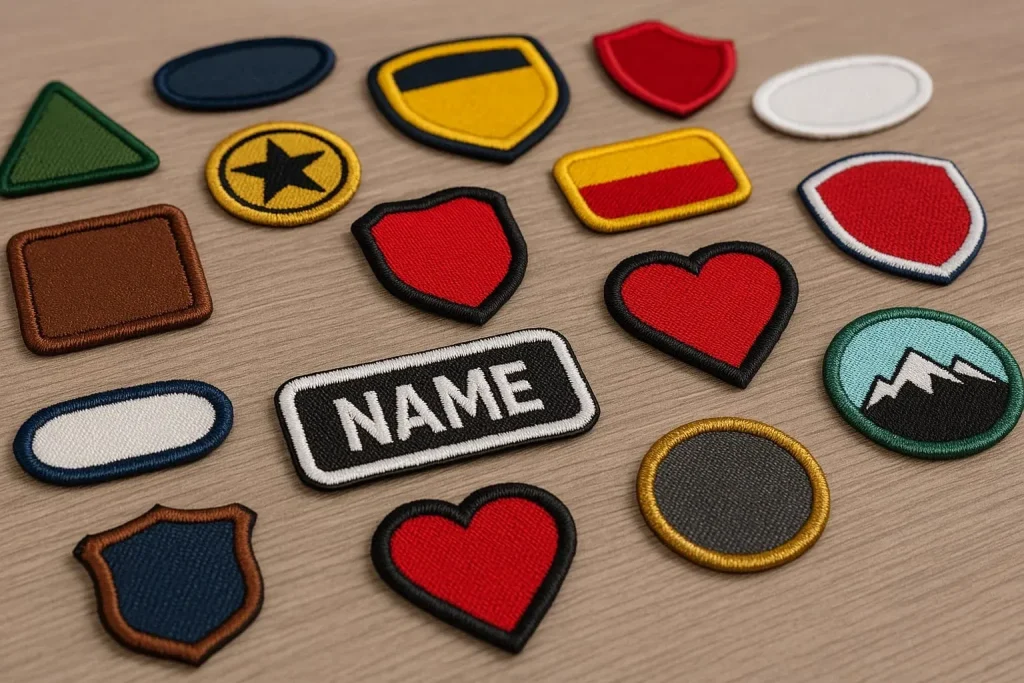
Patch design ideas have transformed DIY corners into mainstream fashion, turning simple garments into expressive canvases that tell your story through texture, color, and motif, inviting experimentation and personal growth with every sew and appliqué you try. From bold back patches to subtle sleeve accents, patch designs invite you to experiment with wearing patches fashion as a narrative element in everyday outfits, helping you build a signature look that evolves with your tastes and milestones. Whether you’re embracing DIY patches or exploring patch embroidery ideas, you can craft a cohesive look that speaks to your hobbies, milestones, and aesthetic, while balancing bold statements with quieter details that read clean from a distance. To maximize impact, pair patches with a deliberate patch styling ideas approach—color-coordinated palettes, varied textures, and thoughtful placement across jackets, jeans, bags, and hats, so every piece feels intentional rather than incidental. This guide will help you choose designs that fit your personality while keeping the overall look balanced, ensuring your patch choices feel intentional rather than haphazard, and giving you flexible frameworks for quick updates or longer, creative projects.
Patch design ideas: storytelling and style for every wardrobe
Patch design ideas turn small fabric accents into storytelling tools, letting you narrate hobbies, milestones, and aesthetics without buying new clothes. Whether you lean toward vintage imagery, bold graphics, or minimalist symbols, patches provide a flexible palette to express personality. By balancing color relationships and textures, you can turn ordinary pieces into conversation starters and reflect evolving tastes.
When you approach patch design ideas with strategy, you can layer motifs on jackets, tees, jeans, bags, and even sneakers so that each piece feels intentional. Start with two or three patches that share a common color family or theme, then add additional accents that echo shapes or lines. This is how you create looks that feel cohesive rather than cluttered, and it aligns with wearing patches fashion with confidence.
Patch styling ideas: pairing color, texture, and motifs across garments
Patch styling ideas help you elevate a wardrobe by treating patches as color stories and texture notes. Choose a base garment—denim jacket, cotton tee, or canvas bag—and plan patches that harmonize rather than compete. Large focal patches can set the tone, while smaller pieces provide rhythm across sleeves, pockets, and hems.
Consider the mood you want: vintage warmth, modern minimalism, or bold maximalism. The right patch styling ideas use a shared palette, recurring motifs, and complementary textures to keep the overall look polished. When patches relate to each other across different garments, the wardrobe feels designed rather than patched together.
DIY patches and patch embroidery ideas: handcrafting unique accents
DIY patches offer hands-on control over colors, shapes, and textures, letting you tailor designs to your exact taste. Start with simple embroidery patches or modify pre-made patches with fabric paints and thread highlights. The key is choosing stable backing and durable fabrics so your patches survive regular wear and washing.
Patch embroidery ideas expand this approach by layering stitches, combining satin fills with running stitches, or adding metallic threads and beads for subtle shine. When you mix DIY patches with store-bought options, edges should align with hems or seams to maintain cohesion and a professional finish.
Size, color, and motif strategies for cohesive patch designs
Size, color, and motif choices determine how patch designs read from afar and up close. Begin with one or two medium-to-large patches as anchors, then pepper in smaller accents to avoid visual clutter. Let a dominant hue guide the rest of the palette so that patches feel connected rather than accidental detours.
For color, experiment with monochrome schemes or a restrained two- to three-color palette. Repeating a handful of motifs—like nature icons, typography, or geometric shapes—across patches helps create a unified look that scales across jackets, jeans, bags, and hats.
Placement and materials: elevating texture with patch embroidery ideas
Placement and materials influence texture as much as design. Symmetrical layouts feel classic on a denim jacket, while asymmetry can highlight a personality or a favorite piece. Embroidered, woven, enamel pin-style, and felt patches each bring different tactile qualities that contribute to overall wearing patches fashion.
Seek balance by mixing textures—for instance, a glossy enamel patch on a matte canvas bag or a velvet patch on a rugged jean. Medium to large patches anchored at seams, cuffs, or the back panel often read as intentional rather than random, helping each garment participate in a cohesive story.
Care, maintenance, and styling tips to wear patches fashion confidently
Patches require proper care to stay vibrant. Turn garments inside out and wash on a gentle cycle with cold water, then air‑dry whenever possible. If patches are delicate, consider hand-washing or temporarily removing patches for machine cleaning to prolong their life.
When styling, aim for confidence and balance. Start with a capsule base of neutrals, then let patches provide pops of color. Layer patches thoughtfully with textured knits or minimal jewelry, and remember that consistent color stories across outfits help wearing patches fashion become effortless rather than conspicuous.
Frequently Asked Questions
What are patch design ideas for upgrading jackets and denim with DIY patches?
Patch design ideas for jackets and denim start with an anchor: choose two to four patches in a shared color family and place a large back patch as the statement piece. Mix larger focal patches with smaller accents on sleeves or pockets to add texture without clutter. If you’re new to patch designs, begin with a cohesive color palette and motifs that echo each other to keep the look intentional. DIY patches let you customize colors and shapes to suit your style.
Which patch styling ideas work best to create a cohesive outfit?
To apply patch styling ideas, first define the mood: vintage, minimalist, or bold maximalism, then choose sizes, colors, and motifs accordingly. Start with a neutral base and let patches act as color accents that unify the look. This approach keeps wearing patches fashion cohesive rather than random.
What patch embroidery ideas suit bags and backpacks?
For bags and backpacks, patch embroidery ideas shine: combine embroidery patches with glossy enamel patches for texture and color pops. Anchor a plain bag with one large central patch and add coordinating smaller patches to echo the motif. Choose durable backing and consider spacing to ensure longevity.
How should I decide size, color, and motifs in patch designs?
Size, color, and motif choices in patch designs matter most for balance. Start with one or two medium-to-large patches as anchors, then add smaller patches that repeat a dominant hue or motif across pieces. A monochromatic patchwork reads sophisticated, while a structured three-color palette adds interest. Keep a common theme across patches for a unified look.
What are practical styling tips for wearing patches fashion confidently?
Styling tips to wear patches fashionably: start with a capsule wardrobe—neutral bases and patches as color accents. Build a color story across pieces, layer patches with knits or jackets, and keep balance by pairing bold patches with simpler fabrics. Experiment with placement, from sleeves to pockets, to personalize your look.
How can I care for patch designs and DIY patches to extend their life?
Care and maintenance for patch designs and DIY patches: turn garments inside out before washing, use a gentle cycle with cold water, and air-dry whenever possible. For delicate patches, hand-wash or remove patches for machine cleaning. Check embroidery for loose threads after washing and store patches in a cool, dry place away from direct sunlight.
| Aspect | Key Points |
|---|---|
| Introduction | Patches are storytelling tools that refresh wardrobes and elevate items like tees, jackets, jeans, bags, and sneakers. The guide covers practical design ideas, personality-fit designs, and application tips to create intentional outfits. |
| Main idea | Patches are small but powerful statements; a cost-effective way to explore color stories, motifs, and textures while reflecting interests (music, travel, nature, art) and setting an outfit’s mood. |
| Section 1 – Garment ideas | Jackets/denim: large back patches anchor the look; add texture with sleeves/pockets. Jeans: bold focal patch on the thigh with smaller accents near the ankle. Bags/accessories: color-block or anchor with one large patch plus coordinating small patches. Sweatshirts/hoodies: large central patch with smaller accents for a casual yet intentional feel. Hats/sneakers: patches with low contrast or metallic accents; asymmetrical placements feel modern. |
| Section 2 – Size, color, motifs | Size: start with one or two medium-to-large patches; for bold statements, use a large back patch. Color: base around a single dominant hue; monochrome looks or a 2–3 color palette repeated across patches. Motifs: choose resonant themes (nature, typography, abstract art, pop culture) to create a unified look. |
| Section 3 – Materials and textures | Patches come in embroidery, woven, enamel, felt, and woven cloth. Embroidery is durable; enamel provides glossy pops; felt offers plush texture. Mixing textures—glossy enamel with matte fabrics or velvet patches on denim—adds interest. |
| Section 4 – Placement strategies | Symmetry vs. asymmetry for balance; use a focal patch to anchor the design and echo colors with smaller patches. Consider placing patches near seams, cuffs, pockets, hems for deliberate effect. |
| Section 5 – DIY vs. store-bought | DIY patches offer color/material control; backings include iron-on or sew-on. Store-bought patches provide quick, professional finishes. When combining both, align edges with hems or seams for cohesion. |
| Section 6 – Embroidery ideas | Layer stitches (satin for fills, running for outlines); applique for raised textures; add metallic threads or beads for emphasis. Use stable backing to prevent fraying during washing. |
| Section 7 – Care and maintenance | Turn garments inside out; wash gently in cold water; air-dry when possible. For delicate patches, hand-wash or remove patches for machine cleaning. Check for loose threads after washing and store patches away from direct sunlight to prevent fading. |
| Section 8 – Styling tips | Adopt a capsule approach with a neutral base; build a color story across patches and outfit pieces. Layer thoughtfully with textured pieces; balance bold patches with simple fabrics and minimal jewelry; experiment with placement beyond the chest/back (sleeves, collars, pockets, lining). |
| Section 9 – Inspiration & next steps | Audit your wardrobe, create a mood board, and start with a small project (e.g., redesign a denim jacket with 3–5 patches). As confidence grows, scale to larger projects and more complex designs. |
Summary
Patch design ideas offer a practical, creative route to elevate your wardrobe. By selecting purposeful motifs, balancing sizes, and thinking about placement, you can transform ordinary garments into expressive, fashion-forward pieces. Whether you prefer DIY patches that reflect your personal story or ready-made designs for a quick update, patches empower you to curate a look that is distinctly yours. Use these guidelines as a starting point, and remember that the best patch designs are the ones that make you feel confident every time you dress. Embrace the patch journey, experiment with different combinations, and let your closet tell a richer, more colorful story.