
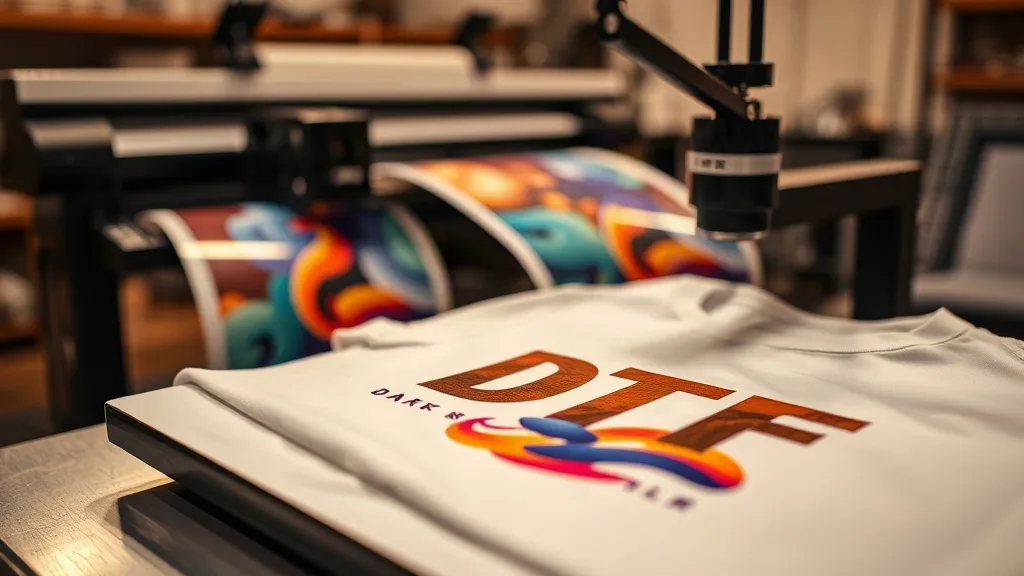
When you first start experimenting with dtf transfers, it's easy to get excited about the possibilities. You can print full-color designs on almost any fabric, from cotton to polyester, and the results look sharp. But after a few runs, you might notice that not every press goes as planned. Some prints crack after a few washes, colors look duller than expected, or the transfer doesn't adhere properly on certain garments. These issues aren't random; they stem from a mix of material science and process control. In this guide, I'll share what I've learned from working with dtf transfers in a small custom apparel shop, focusing on the details that make the difference between a print that lasts and one that fails.
Understanding the DTF Transfer Process
DTF, or Direct to Film, is a printing method where your design is printed onto a special film, coated with a adhesive powder, and then heat-pressed onto fabric. The film acts as a carrier, and the powder melts to bond with the fibers. Unlike screen printing, DTF doesn't require separate screens for each color, so short runs and complex designs are cost-effective. The process involves several steps: printing the design onto the film (usually with a modified inkjet printer using pigment inks), applying the adhesive powder while the ink is still wet, curing the powder, and then pressing the transfer onto the garment. Each step has variables that affect the final outcome, from ink quality to press temperature.
Why Fabric Choice Matters More Than You Think
Not all fabrics accept DTF transfers equally. Cotton and cotton blends are the most forgiving because the fibers are natural and have a rough surface that the adhesive can grip. Polyester, especially smooth, synthetic fabrics, can be trickier. The adhesive may not bond as well, leading to peeling after washing. I learned this the hard way when I pressed a batch of transfers onto 100% polyester performance tees. They looked great initially, but after a few washes, the edges started to lift. The fix? Using a lower press temperature and a longer dwell time, and sometimes pre-treating the fabric with a light press to remove moisture. For nylon and waterproof fabrics, DTF is generally not recommended unless you use a special low-temperature adhesive powder. Always test a small area first.
Color Accuracy: From Screen to Garment
One of the biggest frustrations with DTF is color shift. What looks vibrant on your monitor may appear muted on the fabric. This happens because DTF inks are pigment-based and the film and powder add a slight texture that can affect light reflection. Additionally, the color of the garment underneath can influence the perceived color, especially with lighter fabrics. To manage this, I always print a color test on the actual fabric I'll be using. I also calibrate my monitor regularly and use ICC profiles for my printer. Another tip: when printing on dark garments, the white ink layer acts as a base, but if it's too thin, the colors will look washed out. Make sure your printer's white ink density is set correctly, and don't skimp on the powder application. A consistent, even coat of powder is crucial for vibrant colors.
Pressing Parameters: Temperature, Pressure, and Time
Pressing is where most mistakes happen. The ideal settings vary by fabric and transfer type, but a good starting point is 320°F (160°C) for 10-15 seconds with medium pressure. However, for polyester, lower the temperature to 290°F (145°C) to avoid scorching or dye migration. Pressure should be firm but not excessive; too much pressure can cause the adhesive to spread too thin, leading to poor adhesion. I recommend using a heat press with a digital controller and a pressure gauge. Always pre-press the garment for 5-10 seconds to remove wrinkles and moisture. When pressing, use a protective sheet or parchment paper to prevent the film from sticking to the upper platen. After pressing, peel the film while it's still warm (hot peel) for best results. Some films are cold peel, so check the manufacturer's instructions.
Durability and Washability
Customers expect their custom apparel to survive repeated washing. DTF transfers, when applied correctly, can last 50+ washes without significant fading or cracking. However, improper washing can shorten the life of the print. Always turn garments inside out before washing, use cold water, and avoid harsh detergents. Tumble dry on low or hang dry. I also recommend waiting at least 24 hours after pressing before the first wash to allow the adhesive to fully cure. If you follow these guidelines, your DTF prints will hold up well. But if you notice cracking, it's often due to insufficient pressure during pressing or too high a temperature that degraded the adhesive. Re-pressing with a Teflon sheet can sometimes salvage a slightly under-pressed transfer.
Common Pitfalls and How to Avoid Them
- Insufficient powdering: Shake the powder evenly and tap off excess. A thin, uniform layer is key.
- Moisture in the fabric: Always pre-press to remove moisture, especially with cotton.
- Incorrect peel timing: Hot peel vs. cold peel matters; follow the film's spec.
- Dye migration: On dark polyester, use a low-bleed film or a blocker sheet.
- Uneven pressure: Check your press for hot spots and adjust pressure evenly.
Finding Reliable DTF Transfers Near You
If you're outsourcing your transfers, quality can vary widely. Searching for dtf transfers near me often brings up local printers, but not all are created equal. Look for suppliers who provide samples and have clear guidelines on fabric compatibility. I prefer working with dtf transfers from established companies that offer consistent ink and powder quality. When you find a good supplier, stick with them and build a relationship. They can advise on specific fabrics and troubleshoot issues. Also, consider ordering gang sheets to save money if you have multiple designs.
Frequently Asked Questions
Can DTF transfers be applied to 100% polyester?
Yes, but with caution. Polyester requires lower temperature (around 290°F) and may need a low-bleed film to prevent dye migration. Always test first.
How long should I press a DTF transfer?
Typically 10-15 seconds at 320°F for cotton, but check the film's instructions. Over-pressing can cause scorching.
What is the best way to store unused DTF transfers?
Keep them in a cool, dry place away from direct sunlight. Avoid folding or creasing the film.
Can I stretch DTF prints?
DTF prints have some stretchability, but excessive stretching can cause cracking. For stretchy fabrics, use a transfer with elastic adhesive.
Why is my DTF transfer peeling after washing?
Likely due to insufficient pressure, incorrect temperature, or washing inside out. Re-press with more pressure and ensure proper curing.