
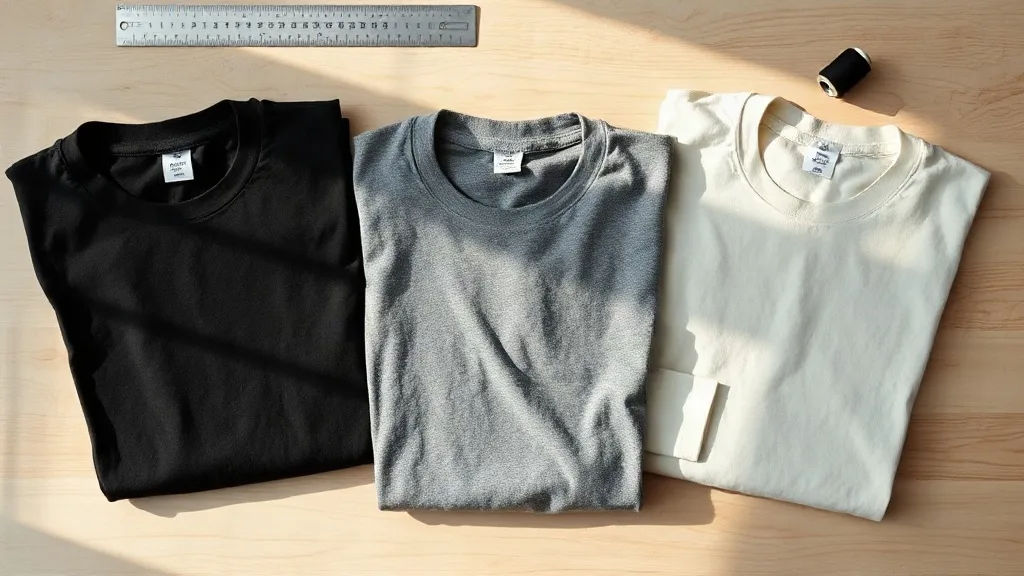
Ordering shaka wear blanks for an embroidery job feels straightforward until the first batch comes back with a chest logo sitting an inch too low or a sleeve crest that pulls the fabric into a pucker. The blank itself is rarely the problem. The mismatch between the size you assumed and the size you actually stitched usually is. Shaka Wear tees have a specific cut and a predictable shrinkage pattern, and once you know both, the guesswork disappears from your production floor.
This guide walks through how Shaka Wear sizing behaves in real embroidery workflows: how the fits differ, what happens after the first wash, how to place a left-chest logo on a size small versus a 3XL, and which backing keeps a dense design from tunneling through a lightweight jersey. It is written for decorators, team uniform buyers, and small brand owners who want the finished garment to look intentional rather than approximate.
Why Shaka Wear Sizing Deserves Its Own Conversation
Most blank suppliers publish a size chart and leave it at that. Shaka Wear's chart is a starting point, not the final word, because embroidery adds structure that a plain screen print does not. A 5,000-stitch logo compresses the fabric around it, and on a tubular body that compression can shift the drape just enough to change how the shirt hangs on the wearer.
There is also the matter of how Shaka Wear cuts its bodies. The classic crew runs with a relatively straight side seam and a slightly boxy shoulder, which reads as a modern retail fit rather than a slim fashion cut. That matters for embroidery because a boxy shoulder gives you more room to place a back-yoke design without the artwork wrapping around the curve of the blade. If you are used to a slimmer blank, your standard placement coordinates will need a small adjustment.
The fits you will actually encounter
Shaka Wear's catalog is broader than a single tee, and the fit name on the label tells you a lot about how to plan a stitch-out:
- Classic crew: straight body, mid-weight jersey, the workhorse for team and event apparel. Embroidery sits cleanly on the left chest and back yoke.
- Heavyweight tee: denser knit, more structure, better for large back designs and puff embroidery because the fabric resists distortion.
- Oversized and drop-shoulder cuts: wider body and lower shoulder seam. Left-chest placement needs to move outward and down slightly or the logo drifts toward the armpit.
- Long sleeve and hooded styles: sleeve embroidery placement changes because the seam line sits differently than on a short sleeve.
If you are sourcing a mixed order for a team, confirm the fit name on every colorway. A black heavyweight and a heather classic crew in the same listed size can measure differently across the chest by a noticeable margin.
Reading the Shaka Wear Size Chart Like a Decorator
Published size charts usually list chest width, body length, and sleeve length measured flat. Those numbers are useful, but they do not tell you the whole story for embroidery. Two measurements matter more than the rest:
- Chest width, measured one inch below the armhole. This is where a left-chest logo lives. If the chest width is too narrow for your design, the logo will crowd the placket or spill toward the side seam.
- Body length from the high point of the shoulder. This tells you whether a back design will sit at the shoulder blades or drop too low toward the waist.
A practical habit is to keep a physical measurement sheet next to your machine for each Shaka Wear style you run regularly. Measure a production sample flat, note the numbers, and compare them to the published chart. The gap between the two is your working tolerance, and it is usually small but consistent.
How shrinkage changes your placement math
Cotton blanks shrink, and Shaka Wear is no exception. A typical 100% cotton jersey will lose a small percentage of its length and width after the first hot wash and tumble dry, with length usually shrinking more than width. For embroidery, that means a back design stitched at the exact center of an unwashed shirt may sit slightly high once the garment has been laundered a few times.
The fix is simple: place back-yoke artwork a fraction lower than dead center on the unwashed blank, and note in your job sheet that the final position is measured after one wash cycle. For left-chest logos the effect is less dramatic, but on a size small the difference between a logo that sits correctly and one that feels low is only a few millimeters, so it is worth testing with a washed sample before you commit a full run.
Matching Stabilizer to Shaka Wear Fabric Weight
Fabric weight is where Shaka Wear and lighter blanks like smart blanks diverge in ways that affect your stitch file. A mid-weight jersey needs a different backing than a heavyweight ring-spun cotton, and getting it wrong shows up as puckering, tunneling, or a logo that feels stiff against the skin.
- Lightweight and mid-weight crews: a cut-away or tear-away backing plus a water-soluble topping keeps the stitches from sinking into the knit. Use a topping whenever the design has fine detail or small lettering.
- Heavyweight tees: a medium cut-away is usually enough, and you can often skip the topping if the design is bold and open.
- Stretch or blended fabrics: add a fusible or stretch-friendly backing and slow the machine slightly to reduce needle deflection.
One more detail that decorators overlook: on a Shaka Wear heavyweight, a dense left-chest logo can make the front panel feel board-stiff. If the wearer cares about drape, reduce stitch density slightly or switch to a lighter backing. The logo still reads clearly, and the shirt still feels like a shirt.
Placement Rules That Hold Across Every Shaka Wear Style
Placement is where most embroidery complaints originate, and the fix is usually a small coordinate shift rather than a new design. These rules work across the Shaka Wear range:
- Left chest: center the logo roughly 7 to 9 inches from the shoulder seam and 2 to 3 inches below the collarbone, then adjust for the fit. On oversized cuts, move outward by about half an inch.
- Back yoke: center the design between the shoulder seams and place the top edge a few inches below the collar seam. On heavyweight tees you can go slightly larger because the fabric supports the stitch count.
- Sleeves: on long sleeves, place the design so the top edge sits a couple of inches below the shoulder seam. On short sleeves, keep the artwork clear of the hem so the fabric does not curl.
- Hoodies and heavier styles: account for the thickness of the fabric at the chest seam, and test the hoop placement before running the full order.
What to tell a team buyer before they order
If you are coordinating uniforms, ask for a size breakdown by fit name, not just by size. A mixed order of classic crews and oversized tees in the same numeric size will produce visibly different logo placement. Send a washed sample to the client for approval, and note the shrinkage allowance in writing. It saves a remade batch later.
Frequently Asked Questions
Does Shaka Wear run true to size?
Shaka Wear generally runs close to standard US sizing on the classic crew, though the heavyweight and oversized styles feel roomier through the body. Always check the specific fit name on the label, and measure a sample flat before you commit to a large embroidery run.
How much does a Shaka Wear tee shrink after washing?
Expect a small amount of shrinkage on 100% cotton styles after the first hot wash, with length typically shrinking slightly more than width. Pre-wash a sample if precise logo placement matters, and build a small allowance into back-yoke designs.
What stabilizer works best for embroidering Shaka Wear blanks?
Use a cut-away or tear-away backing matched to the fabric weight, and add a water-soluble topping for fine detail on lighter jerseys. Heavyweight tees can often handle a medium cut-away without topping.
Can I embroider an oversized Shaka Wear tee the same way as a classic crew?
Not exactly. The wider body and lower shoulder seam on oversized cuts mean left-chest logos need to move outward and slightly down. Test placement on a sample before running the order.
Where should a left-chest logo sit on a Shaka Wear shirt?
Center the logo about 7 to 9 inches from the shoulder seam and 2 to 3 inches below the collarbone, then adjust for the specific fit. On oversized styles, shift outward by roughly half an inch to keep the logo clear of the side seam.